
Staring at a blank wall and not knowing where to start is frustrating. You want something personal, something that looks good — but buying art is expensive and finding the right piece feels impossible.
That’s where canvas art painting comes in. It’s cheaper than buying wall art, more personal than a print, and way more fun than scrolling through home decor websites for hours.
Whether you’ve never picked up a brush or you paint on weekends, there’s something on this list for you.
1. Simple Sunset Gradient
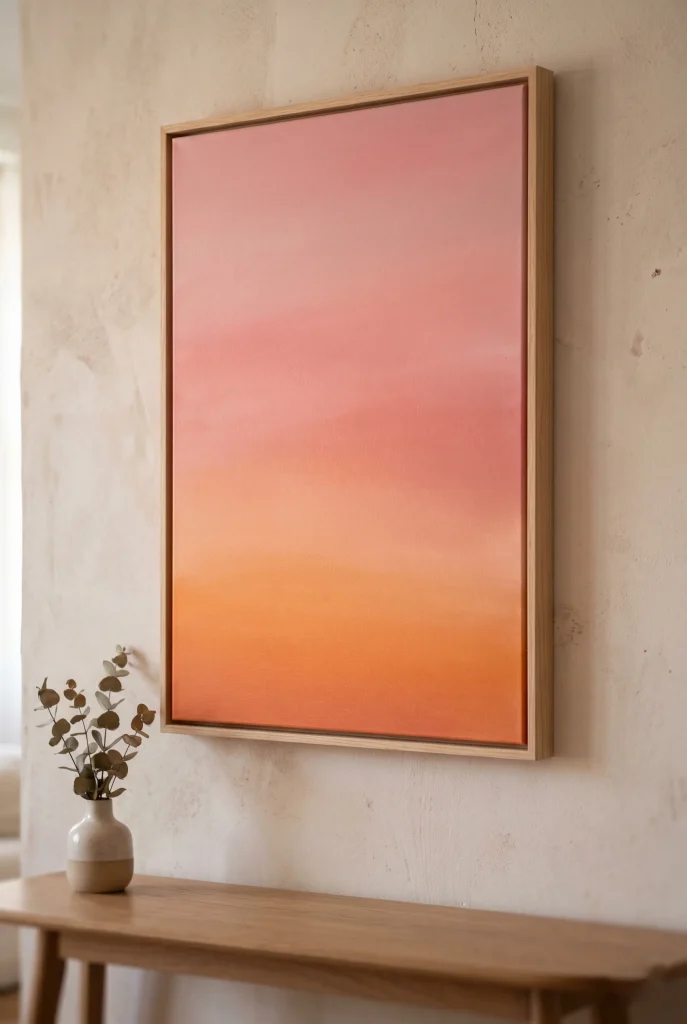
Sunsets are forgiving. You blend warm colors — orange, pink, yellow, purple — and even if it’s not perfect, it still looks beautiful. This is the go-to first project for beginners because there are no hard lines to worry about. Wet-on-wet blending does most of the heavy work for you.
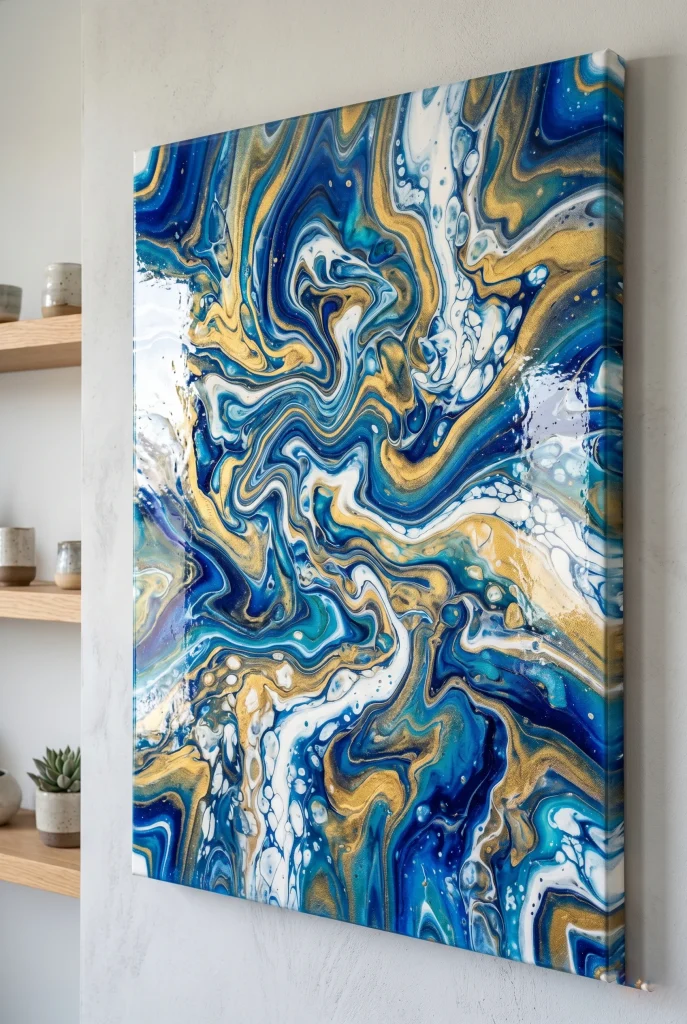
2. Abstract Pour Painting
Pour painting is exactly what it sounds like — you pour paint directly onto the canvas and tilt it around. The result looks like expensive modern art, and you don’t need any drawing skills at all. Pick two or three colors that go well together and let the paint do its thing.
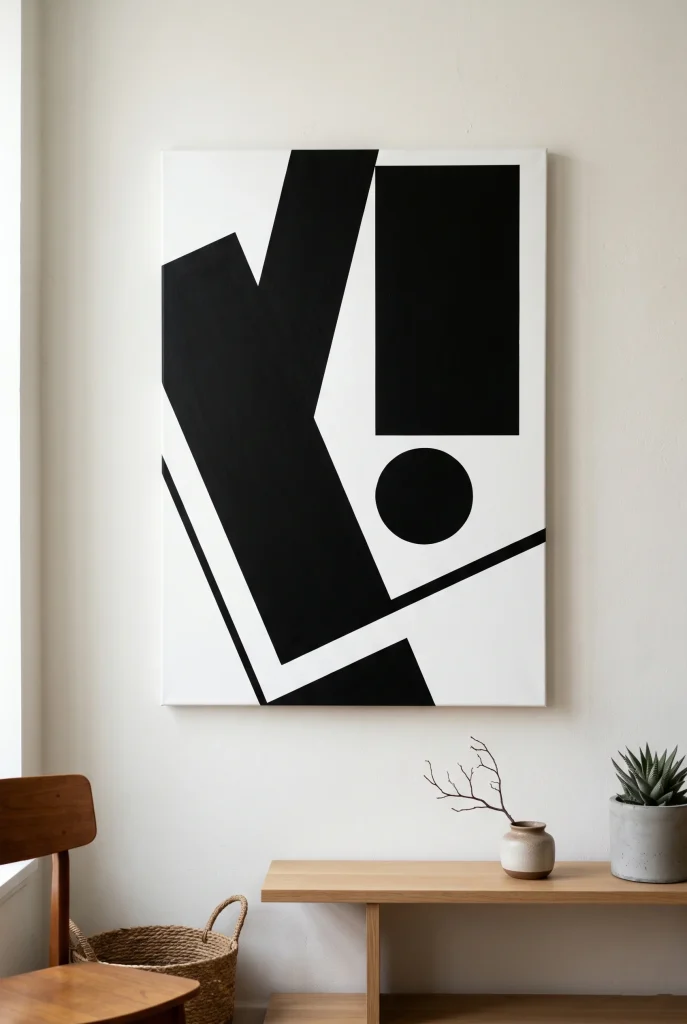
3. Black and White Geometric Shapes
Geometric art looks sharp, clean, and very intentional. Use painter’s tape to create crisp lines and fill in sections with black and white paint. It’s a project that looks hard but takes less skill than you’d think — just patience and a steady hand with the tape.
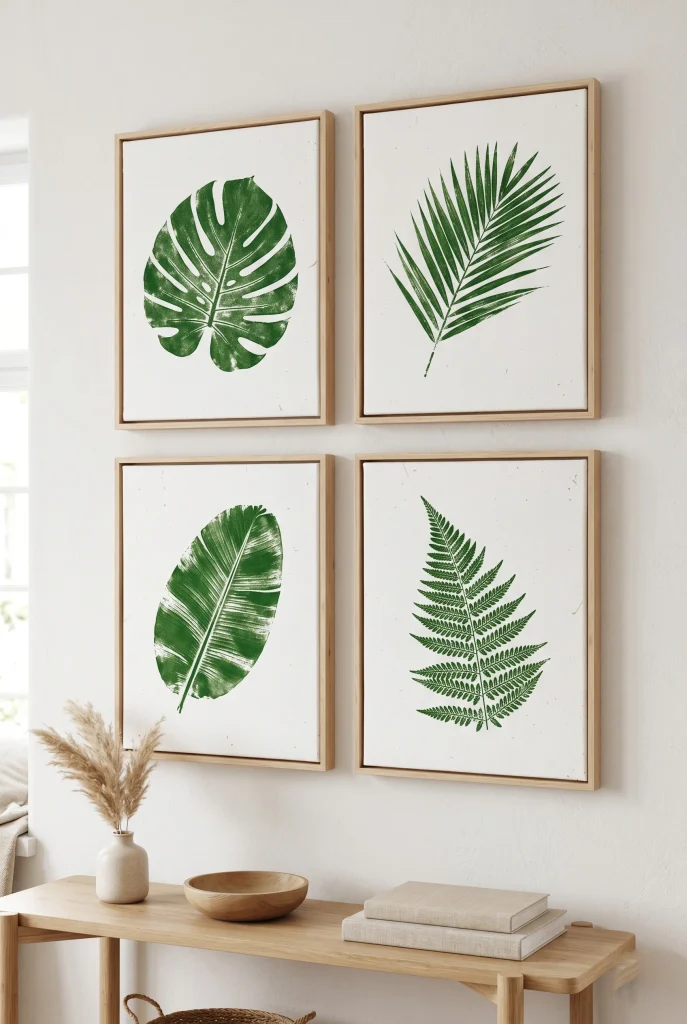
4. Botanical Leaf Prints
Grab actual leaves from your garden and use them as stamps. Press them into green or gold paint and press onto canvas for a clean, nature-inspired print. This works great as a set of three canvases hung together on a gallery wall.
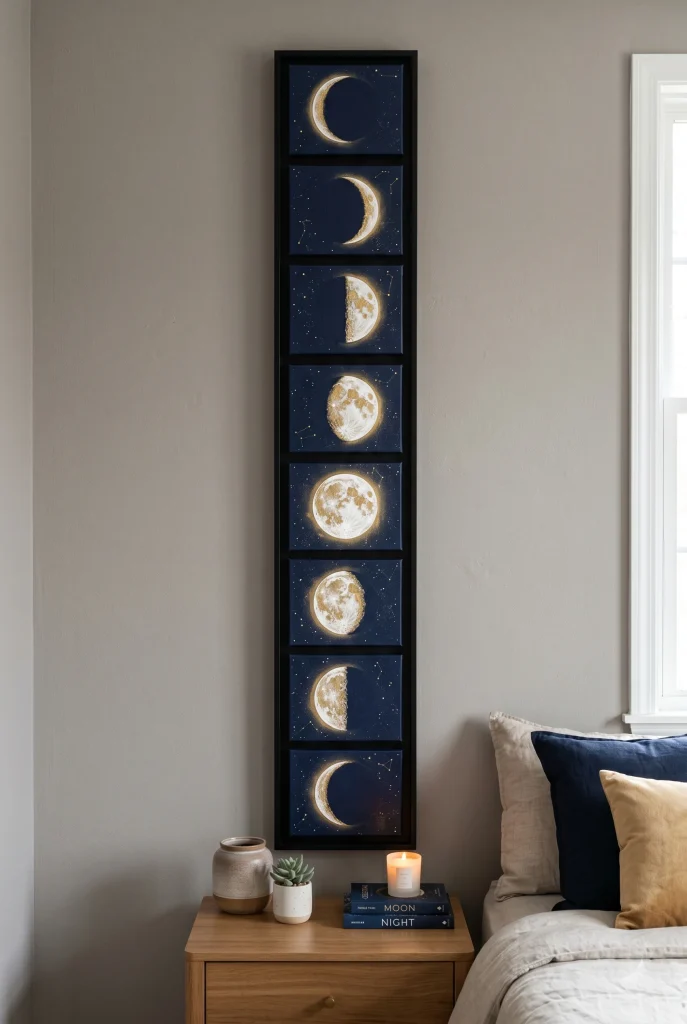
5. Moon Phase Painting
Moon phases are a Pinterest favorite for a reason — they look stunning and they’re simple to paint. Use a circular object like a cup or lid to trace each phase. Paint them in white or gold on a dark navy or black background for a dramatic, gallery-worthy result.
6. Watercolor-Style Florals
You don’t need actual watercolors to get this look on canvas. Thin your acrylics with water to create soft, transparent washes and paint loose, imperfect flowers. Imperfection is the whole point — it gives the piece that organic, handmade feel that people love.
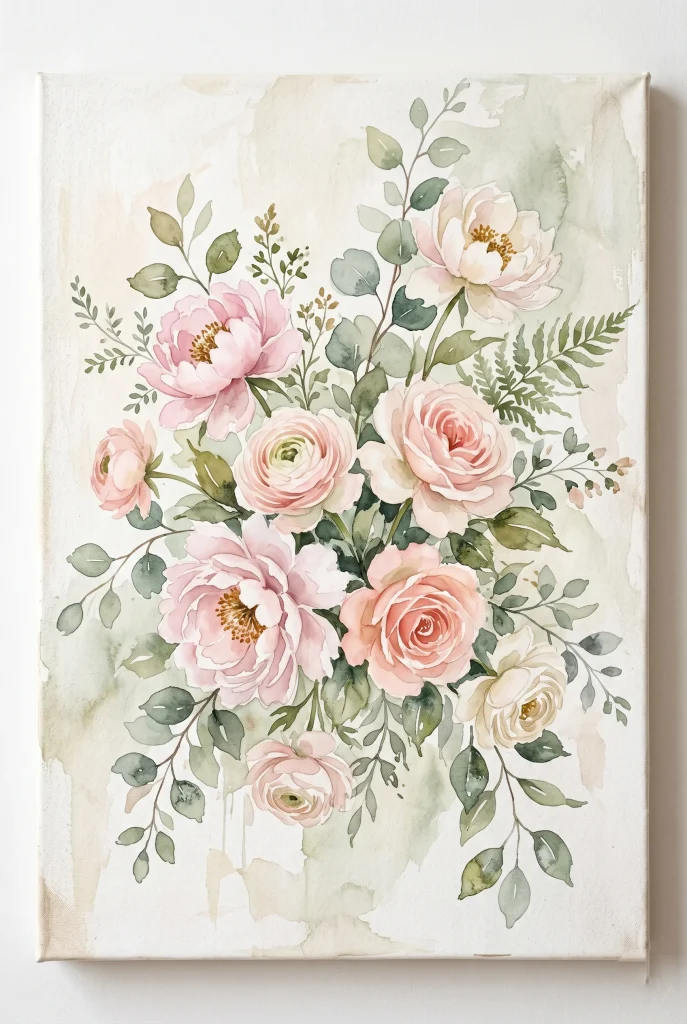
7. Minimalist Mountain Landscape
Stack a few triangle shapes in different shades of blue, grey, or purple to create a clean mountain landscape. Each layer overlaps the one before it, building depth as you go. It’s a great project for someone learning how to work with value and tone for the first time.
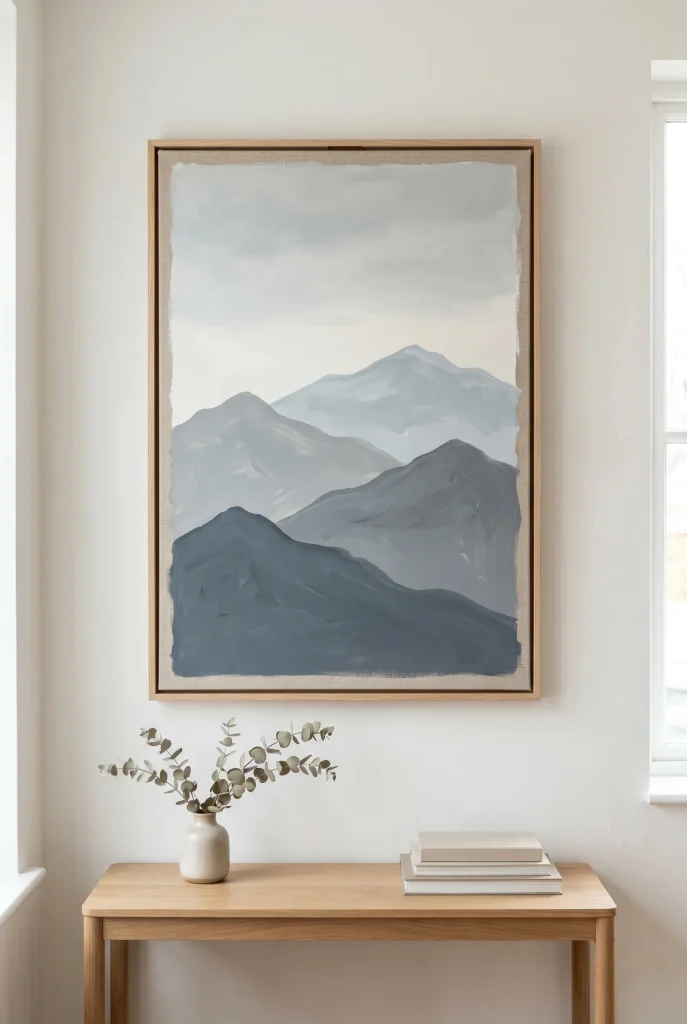
8. Galaxy Night Sky
Start with a dark background and build up layers of deep blues, purples, and black. Add stars by flicking white paint off a toothbrush for a natural, scattered look. This one’s great for bedrooms, kids’ rooms, or anyone who loves the night sky.
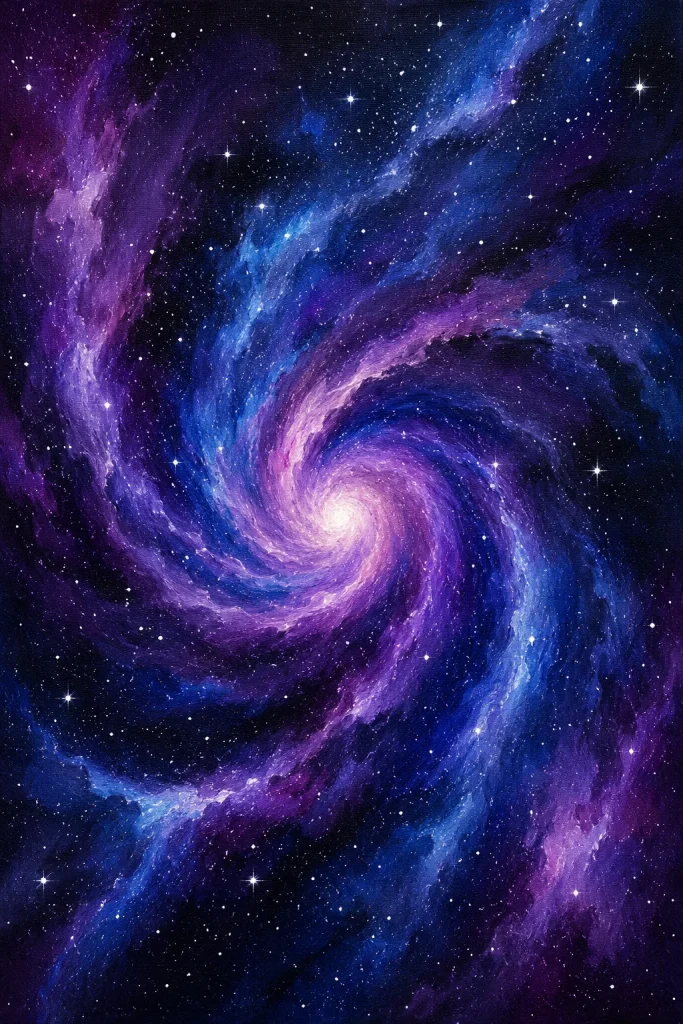
9. Silhouette Against a Colorful Sky
Paint a vivid background first think sunset or twilight colors — and once it’s dry, add a simple black silhouette on top. Trees, birds, a person on a hill — the silhouette does the storytelling. The contrast between bold color and solid black always looks striking.
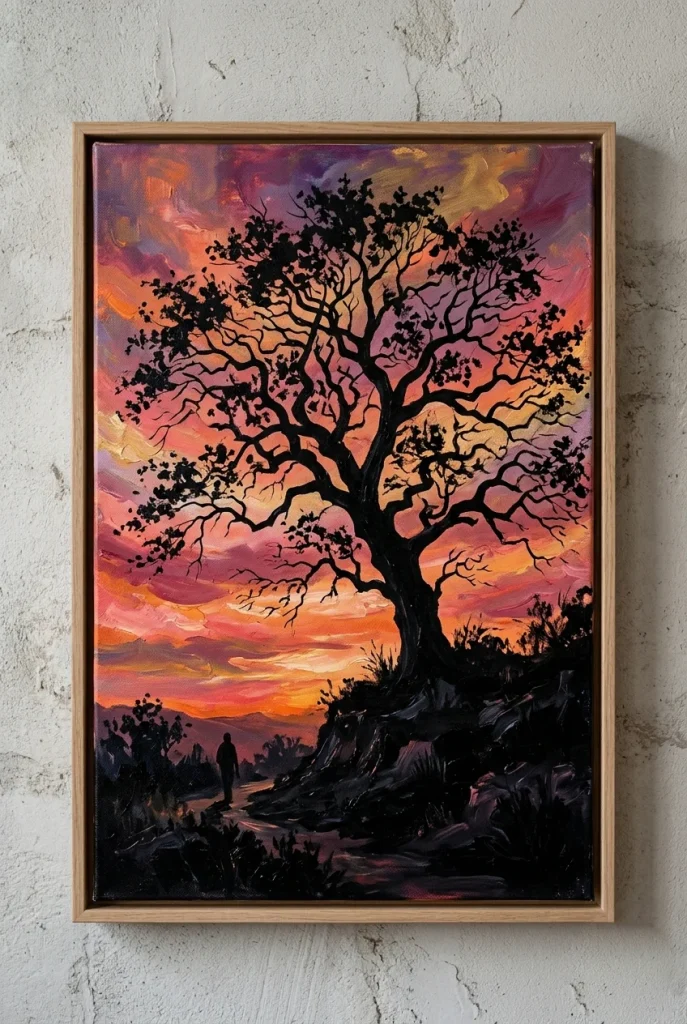
10. Ombre Color Blocks
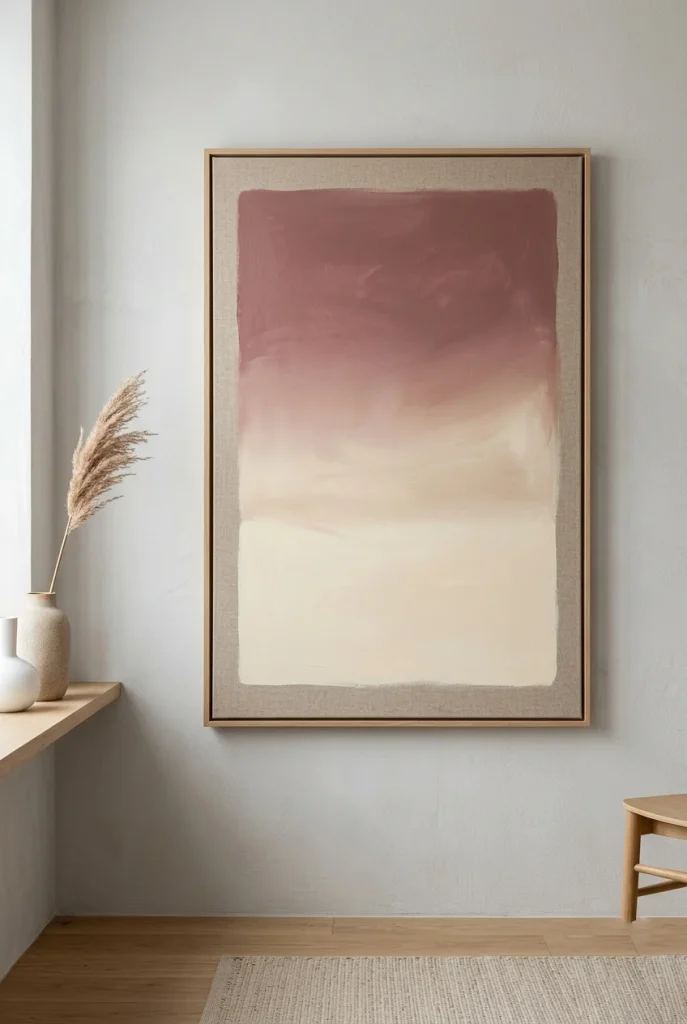
Pick one color and paint it from dark to light across the canvas. It’s as simple as it sounds, but the result feels intentional and modern. This style works well in neutral-toned rooms because it adds color without overwhelming the space.
11. Abstract Brushstroke Art
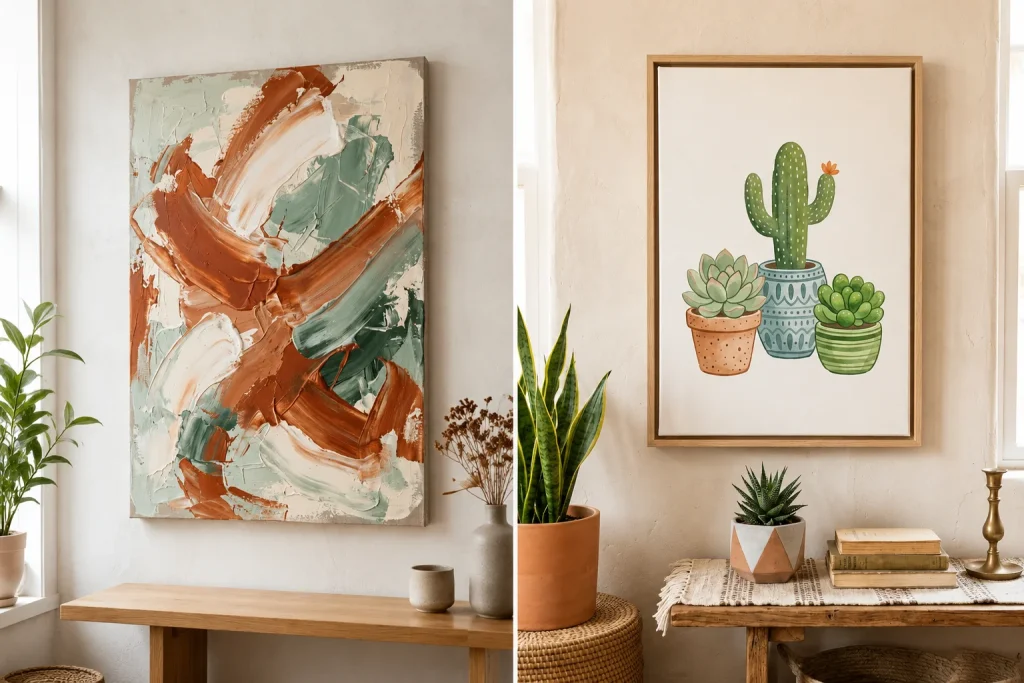
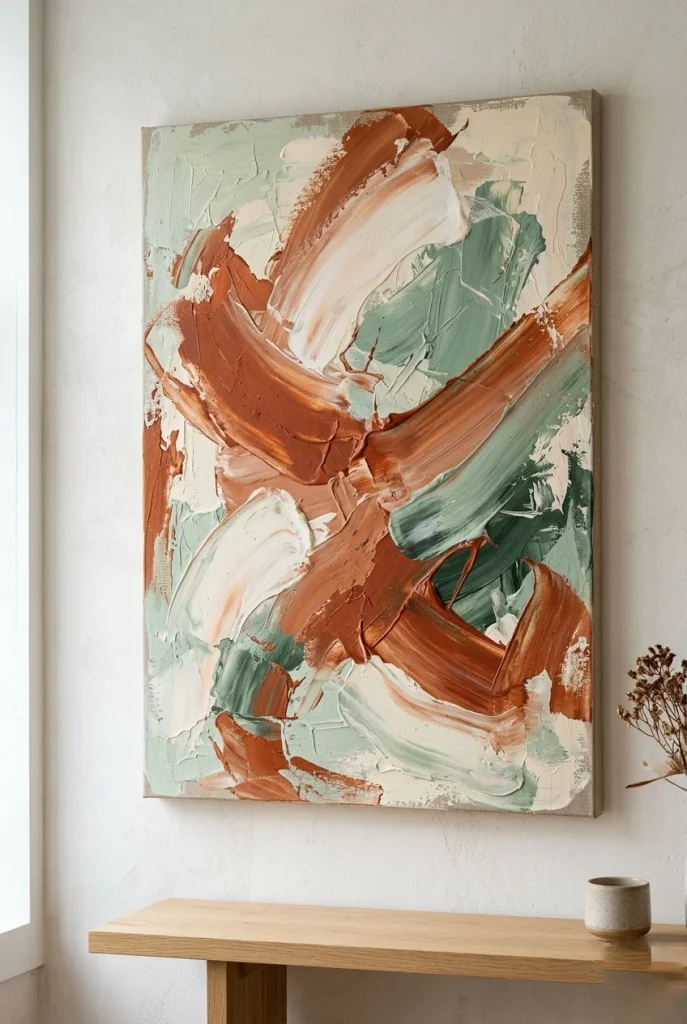
Load up a wide brush with paint and make bold, confident strokes across the canvas. Don’t overthink it loose, gestural marks are the whole aesthetic. This style is perfect for living rooms and works in almost any color palette.
12. Coastal Wave Painting
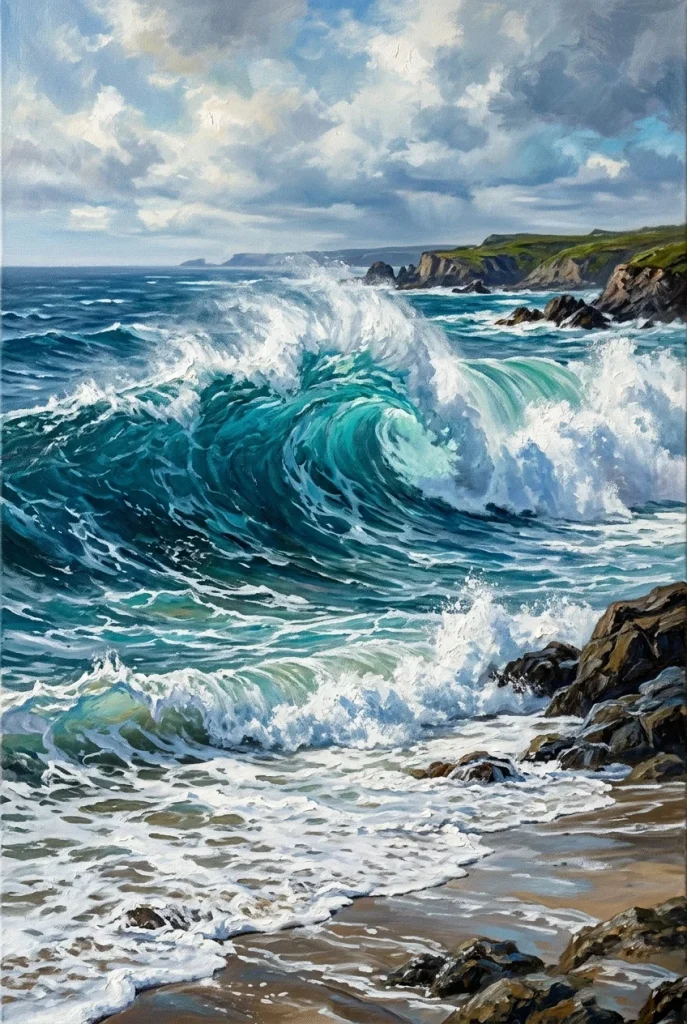
Waves are one of those subjects that look complicated but break down into simple shapes. Start with the dark water in the background and work forward, adding lighter blues and white foam last. It’s a calming project that results in a piece that fits any coastal or neutral-themed room.
13. Simple Cactus and Succulent Art
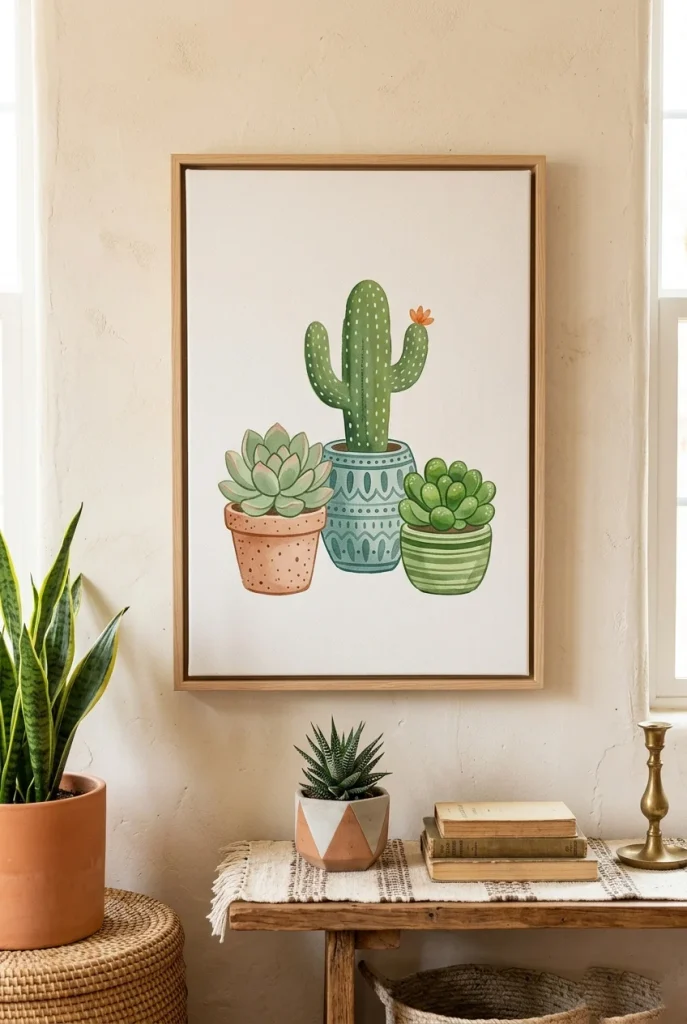
Cacti and succulents are naturally simple shapes short, round, spiky, or tall. Paint them in different greens on a white or terracotta background for an easy, trendy piece. These look great as a series of small canvases grouped together.
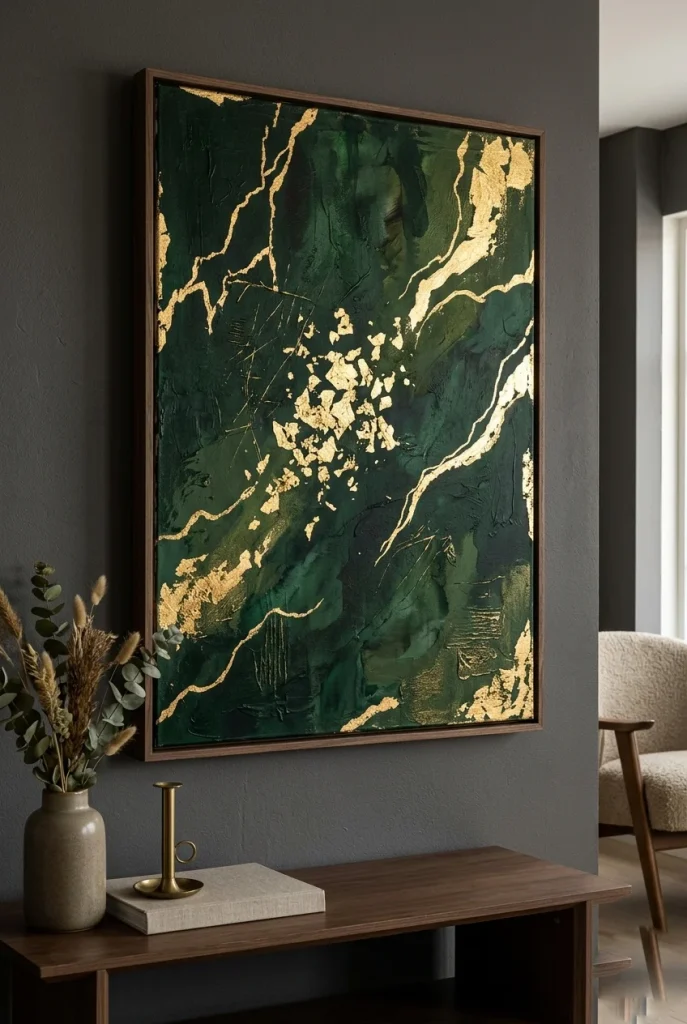
14. Gold Leaf Accents on Abstract Backgrounds
Paint a solid or abstract background in deep navy, forest green, or black. Once dry, apply gold leaf or gold paint in organic, irregular patches. The combination of matte paint and metallic shimmer creates a high-end look with very little effort.
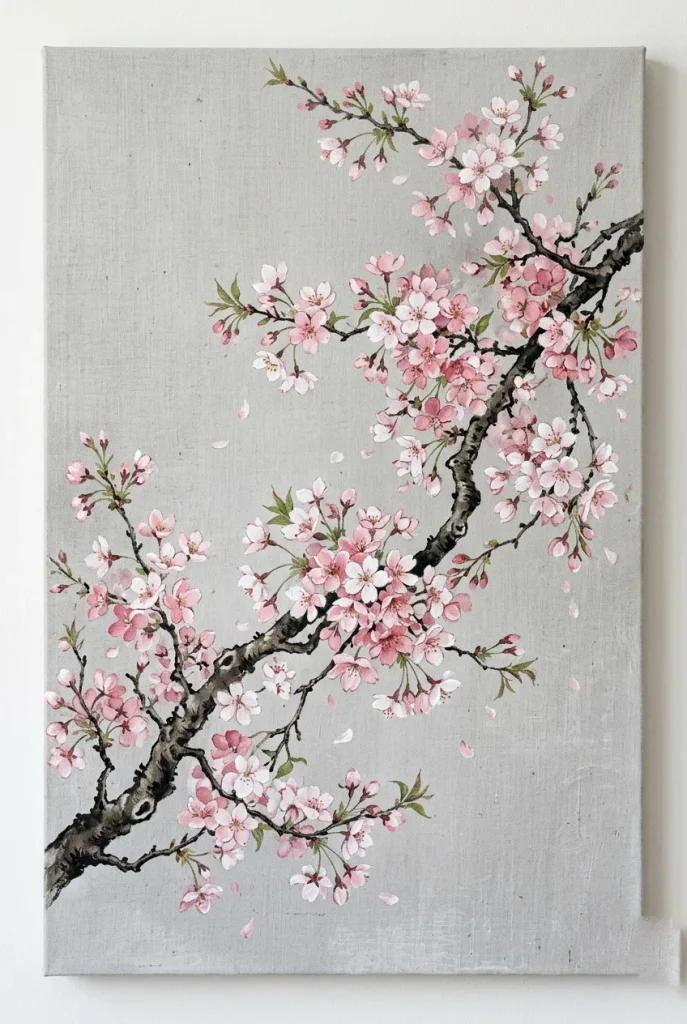
15. Cherry Blossom Branch
Use a thin brush to paint a dark, slightly curved branch across the canvas. Then dab small pink and white dots along the branch for blossoms. It’s one of those pieces that looks like it took skill but only needs a little patience and a light touch.
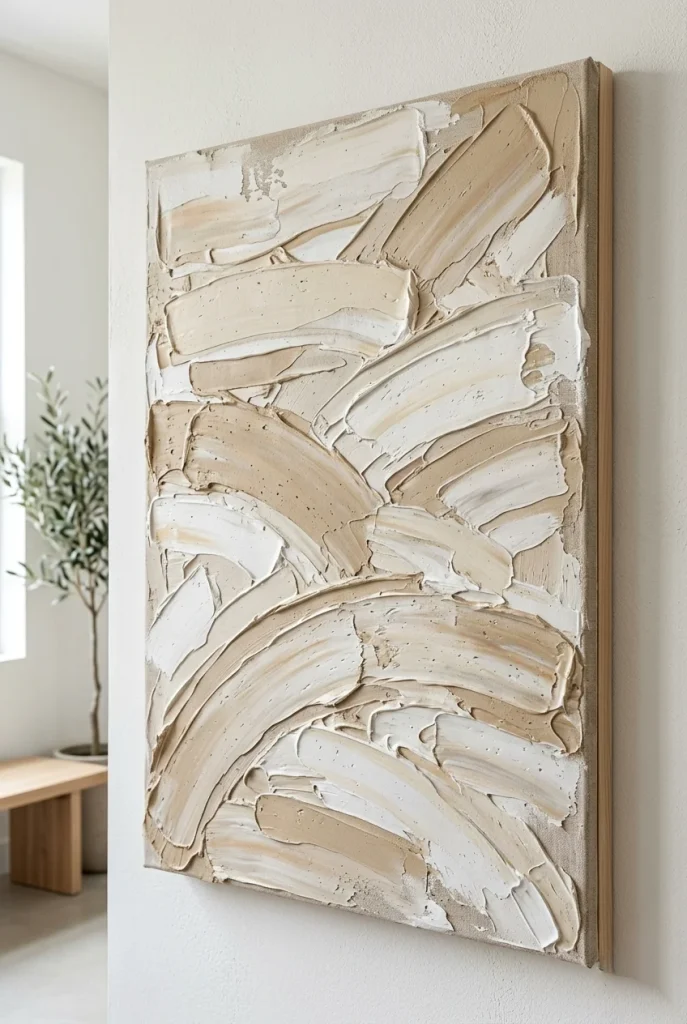
16. Textured Neutral Wall Art
Mix sand or baking soda into your paint to create texture. Use a palette knife instead of a brush to apply the paint in thick, rough layers. The result is a neutral, organic piece that fits perfectly into modern farmhouse or Scandinavian-style interiors.
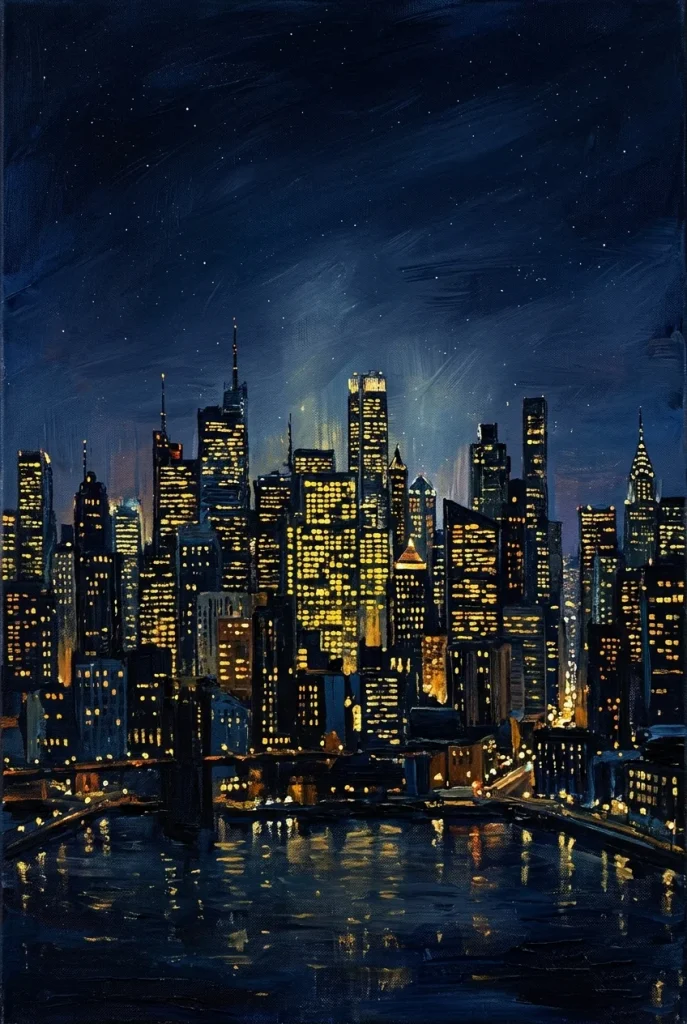
17. Cityscape at Night
Paint the sky first in dark blues and blacks. Then use a flat brush to block in simple building shapes along the bottom of the canvas. Add small yellow and white rectangles for lit windows — it’s those tiny details that bring the whole painting to life.
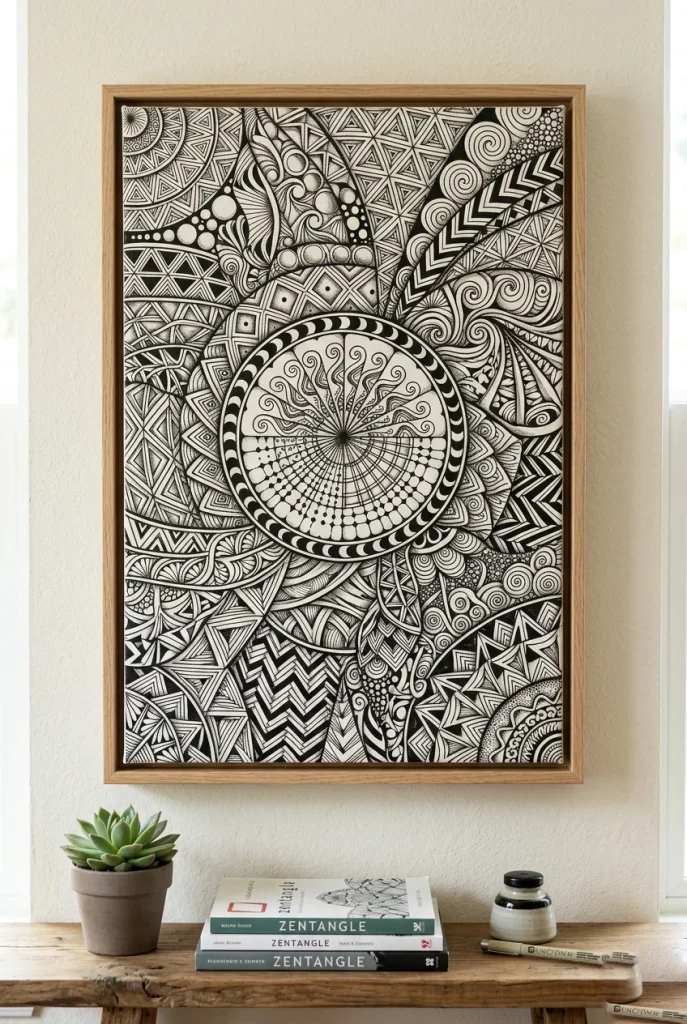
18. Zentangle-Inspired Patterns
Zentangle is all about repetitive, meditative patterns. Use a fine-tip brush or a paint pen to fill sections of the canvas with small, repeated marks — dots, lines, spirals, and crosshatching. It’s slow, relaxing work that results in something visually interesting and totally unique.
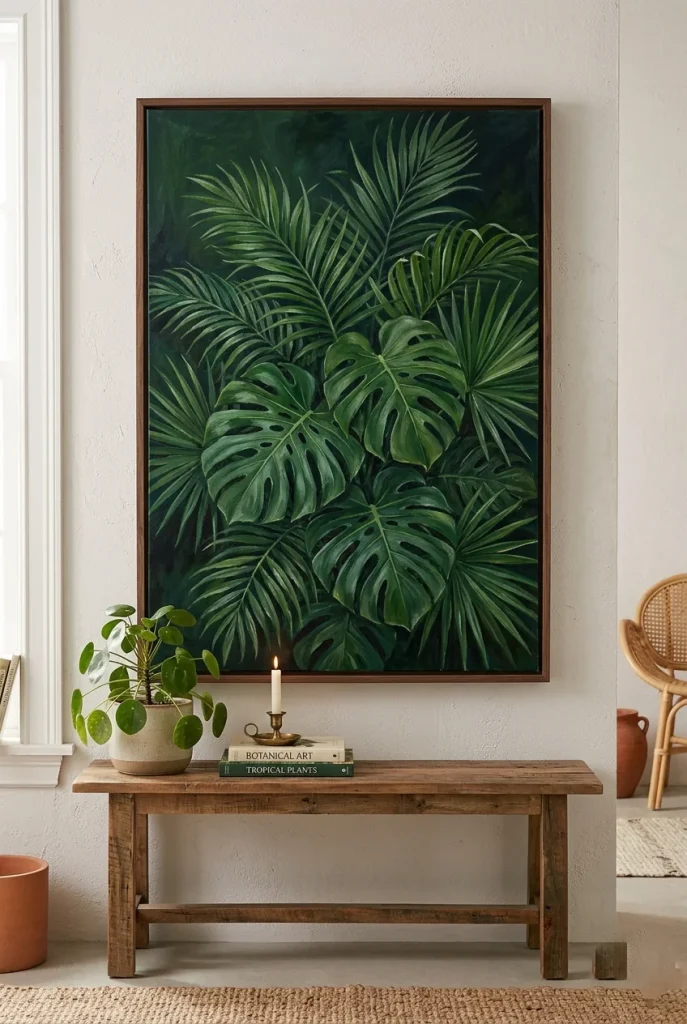
19. Rainforest Leaf Art
Large tropical leaves like monstera and banana leaves have strong, graphic shapes that are easy to paint. Keep the background light and paint the leaves in different shades of green. Add thin veins with a fine brush as a finishing detail to make them feel realistic.
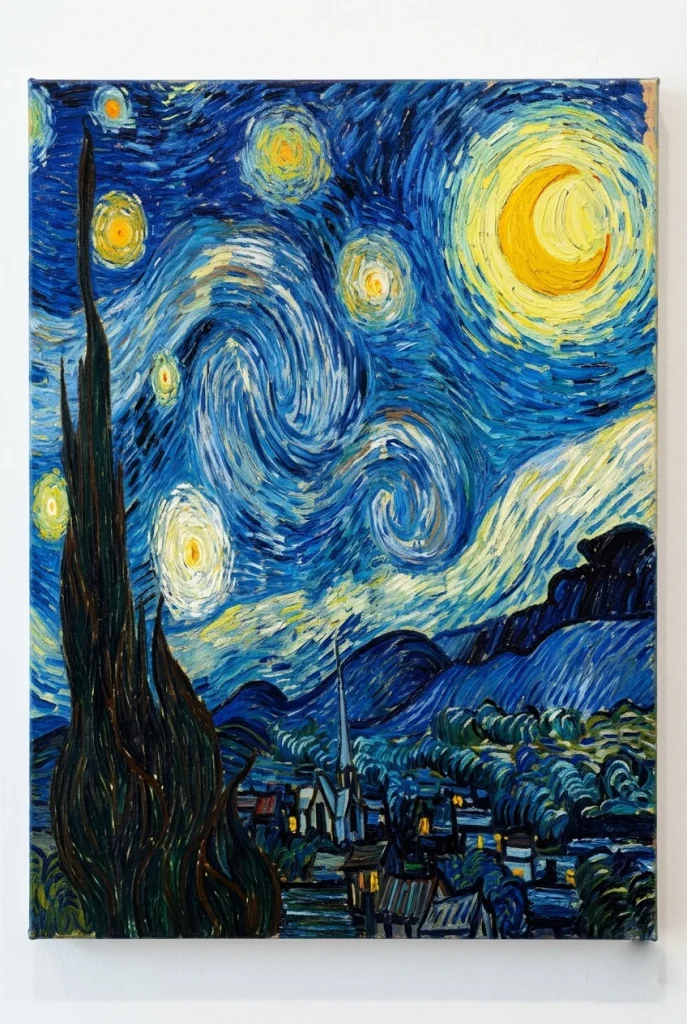
20. Starry Night Inspired Sky
You don’t need to copy Van Gogh perfectly — just borrow the idea of swirling brushstrokes in deep blues and greens with bright spots of yellow. Work in circular, flowing strokes across the whole canvas. It’s a style that hides mistakes naturally because the movement is the point.
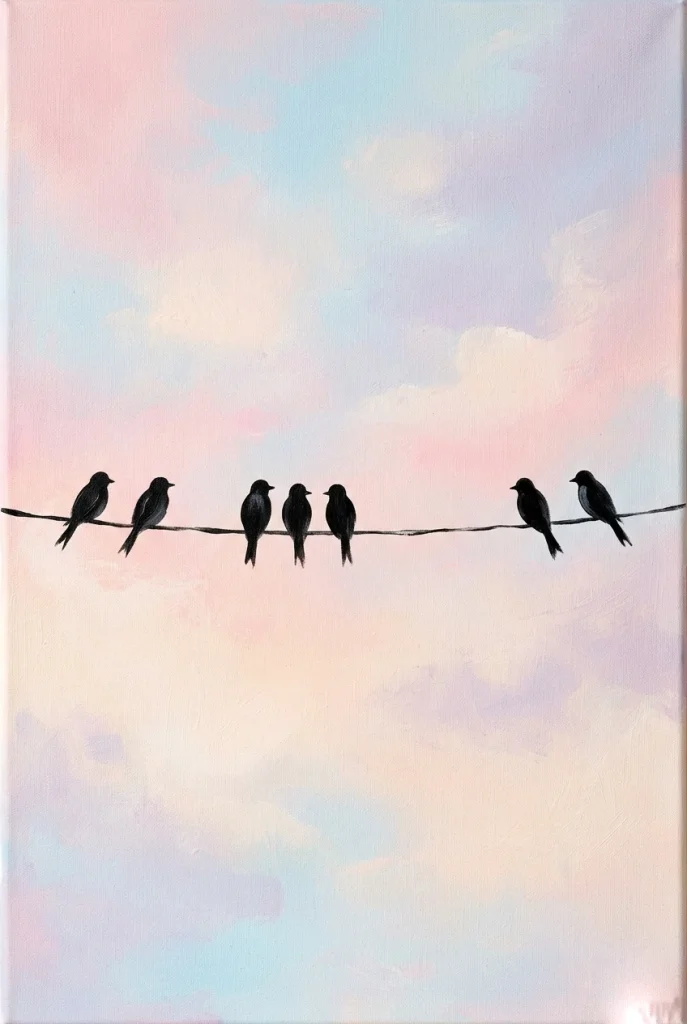
21. Simple Bird on a Wire
Draw a single thin horizontal line across the canvas as the wire. Then paint small, simple bird shapes sitting along it — no detail needed, just tiny silhouettes. Pair it with a soft pastel background and it becomes one of those deceptively simple pieces that looks like it belongs in a boutique.
22. Abstract Portrait
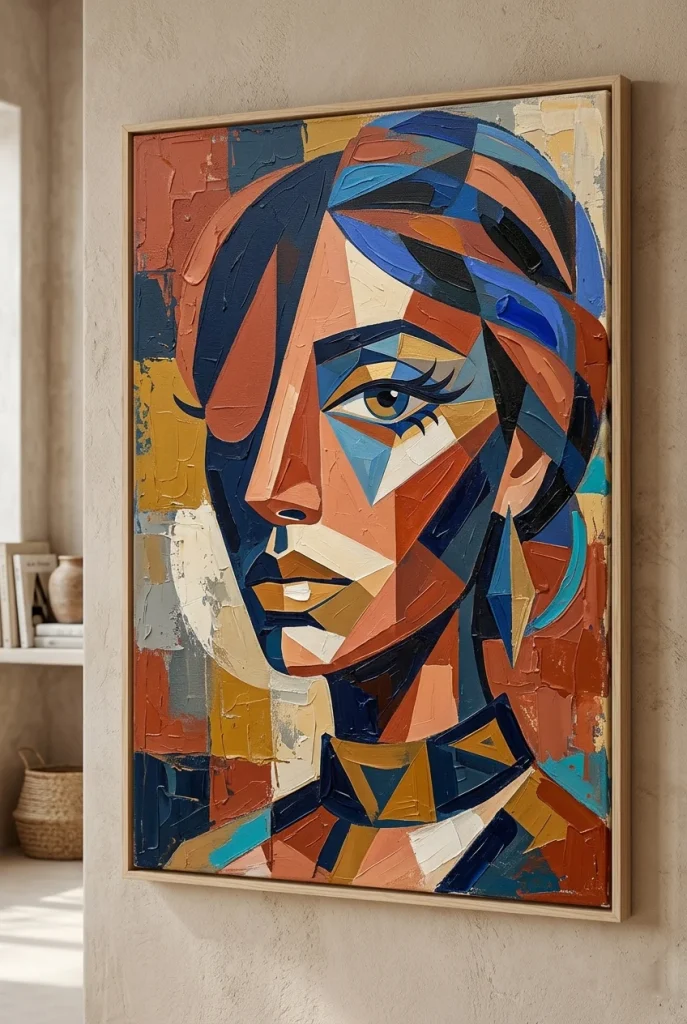
Abstract portraits focus on shapes and color over accuracy. Block in areas of color where light and shadow would fall on a face — no need for fine detail. This is a great project for intermediate painters who want to push past landscapes and try something more expressive.
23. Drip Painting Effect
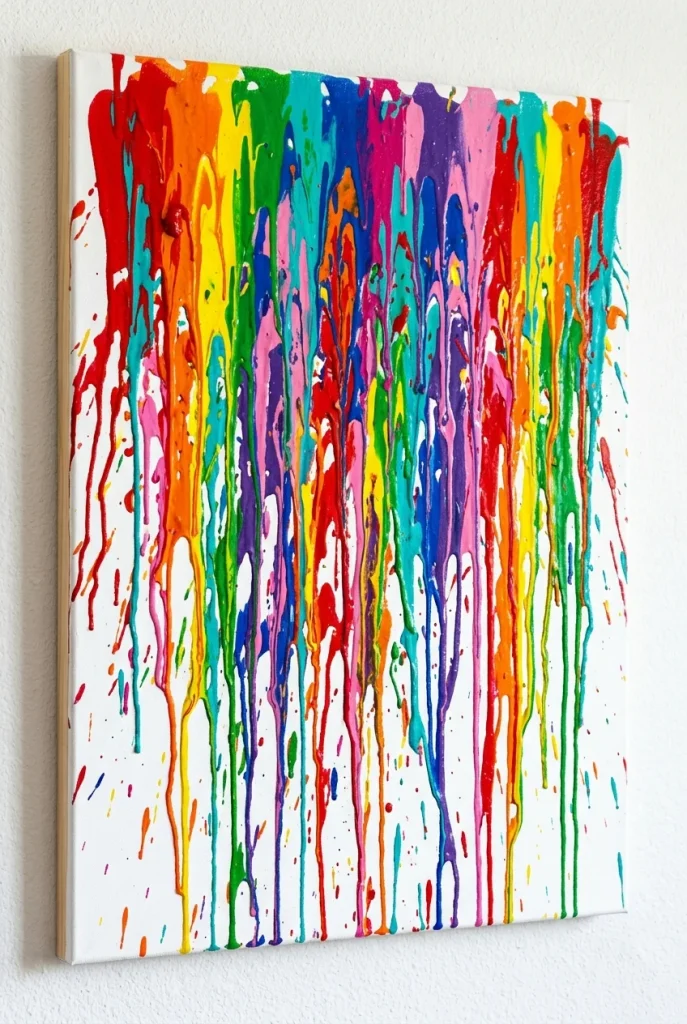
Thin your paint with water and let it drip down a vertically-held canvas. Use contrasting colors for maximum impact — think black and white, or bright rainbow tones. It’s one of the most satisfying techniques to watch, and no two drip paintings ever look the same.
24. Vintage Map Art
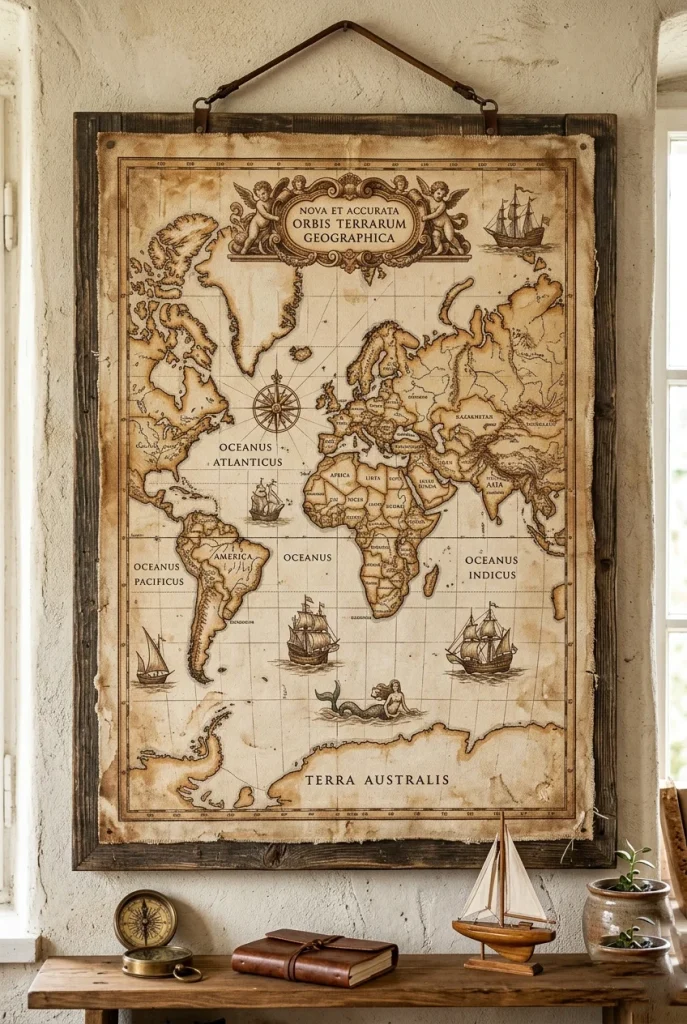
Print or trace a simple map outline onto your canvas and paint it in warm sepia and cream tones. Add small details like compass roses or dotted lines for a vintage travel feel. This one works beautifully in home offices, libraries, or anywhere with a classic, cozy aesthetic.
25. Sunrise Over Water
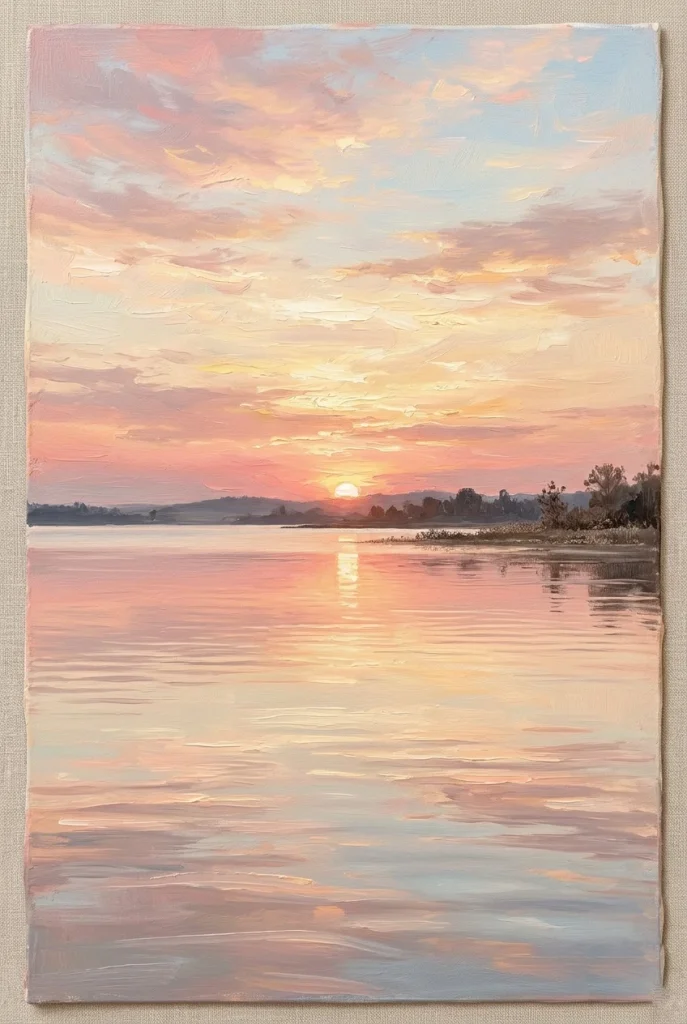
Horizontal lines create the illusion of water beautifully. Blend warm sky colors in the top half and mirror those tones in slightly darker, horizontal strokes in the bottom half. The reflection effect makes this piece feel polished and serene without being complicated to paint.
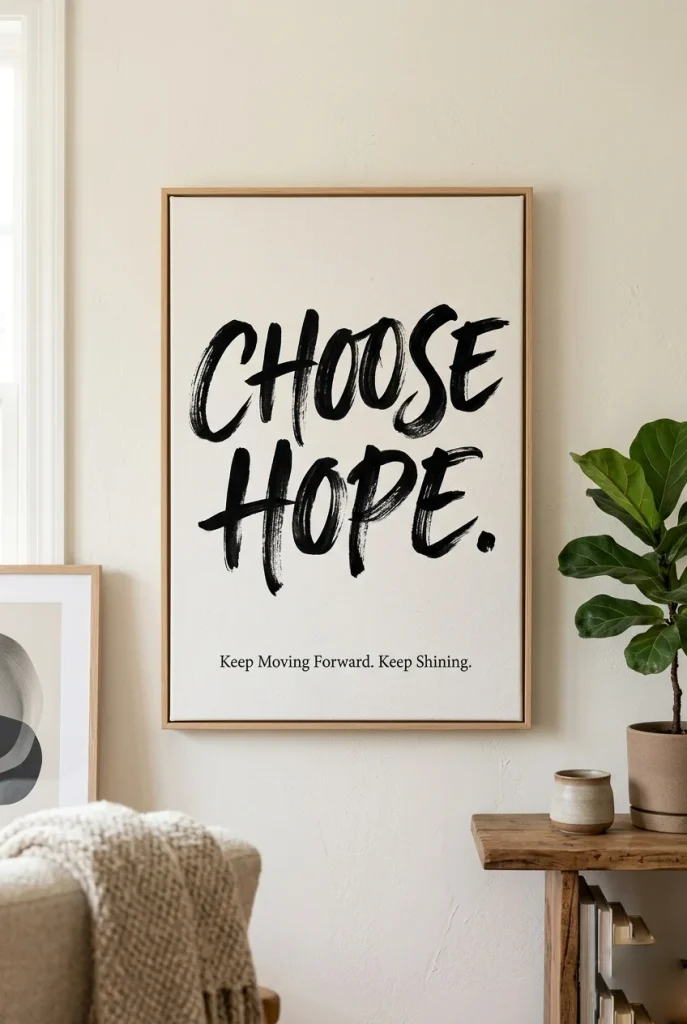
26. Word Art on Canvas
Paint a solid background, let it dry, then use a pencil to lightly sketch your word or phrase. Go over it with a fine brush and black paint for a clean hand-lettered look. Pick something meaningful — a family name, a quote, a single word — and it becomes personal decor that nobody else has.
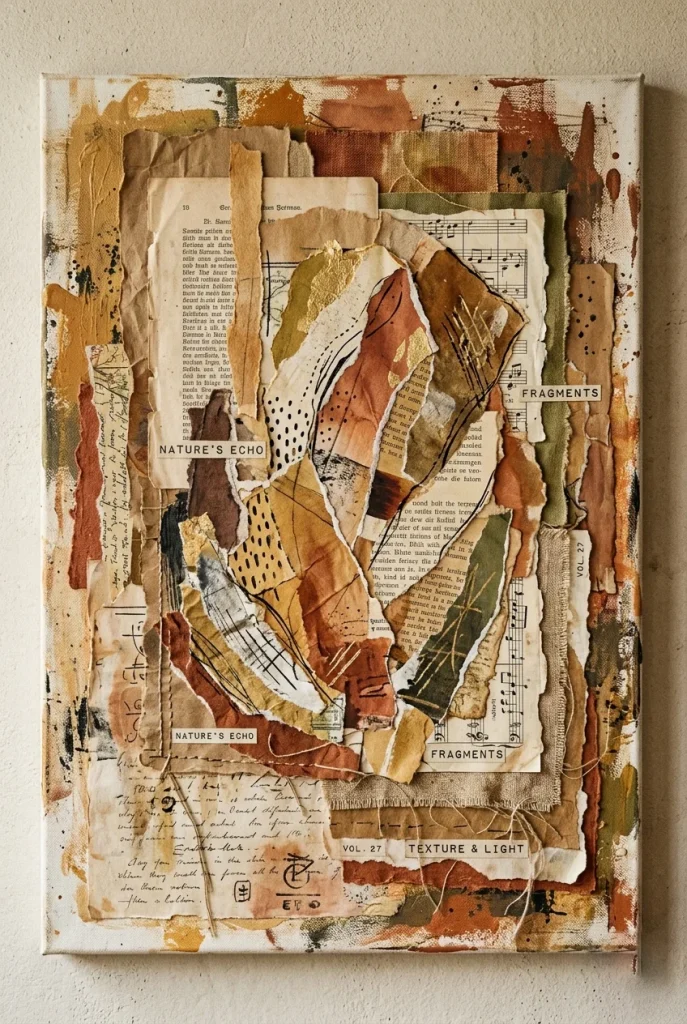
27. Mixed Media Collage on Canvas
Tear pieces of old book pages, sheet music, or patterned paper and glue them to the canvas as your base layer. Paint over the top with thin washes of color so the texture shows through. It’s a great way to add visual depth and give a piece that layered, story-rich feel.
Final Thoughts
Canvas art painting isn’t about being perfect it’s about making something that’s yours. Start with the ideas that match your current skill level and work up from there. Every wall deserves something personal on it, and every painter starts with a blank canvas. Pick one idea from this list, grab your brushes, and just start.