
Toddler learning activities don’t have to mean flashcards and forced focus. If your toddler won’t sit still for more than 30 seconds, you’re not alone. Most parents struggle to keep little ones engaged while also sneaking in some real learning.
The good news? Kids learn best when they’re having fun. Play is their classroom, and you’re already the best teacher in the room. You need the right activities to make it work.
This list gives you 14 simple, mess-friendly ideas that teach real skills without feeling like school, no expensive kits, no complicated setups, just genuine play that builds brains.
1. Sensory Bins That Teach Through Touch
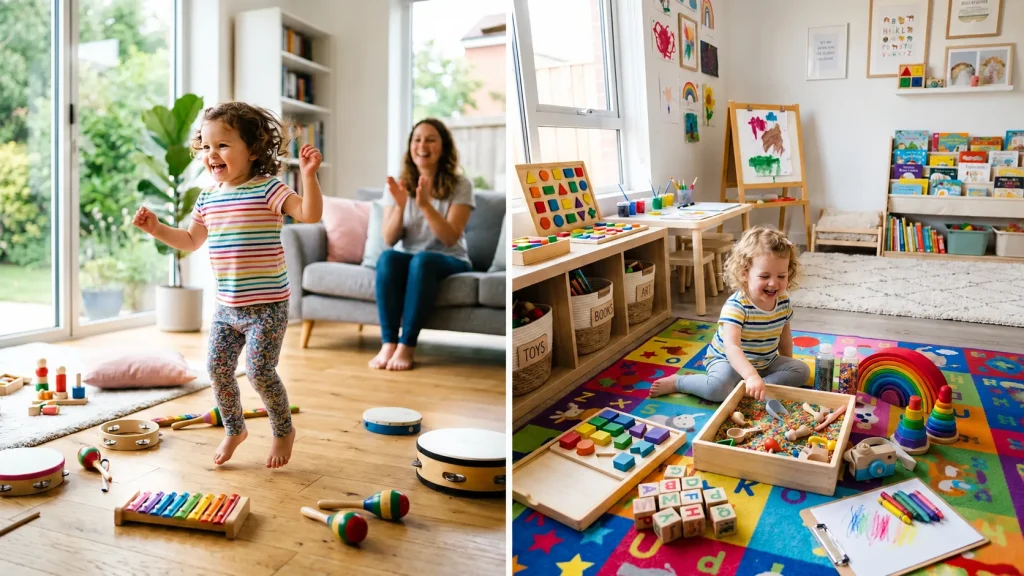
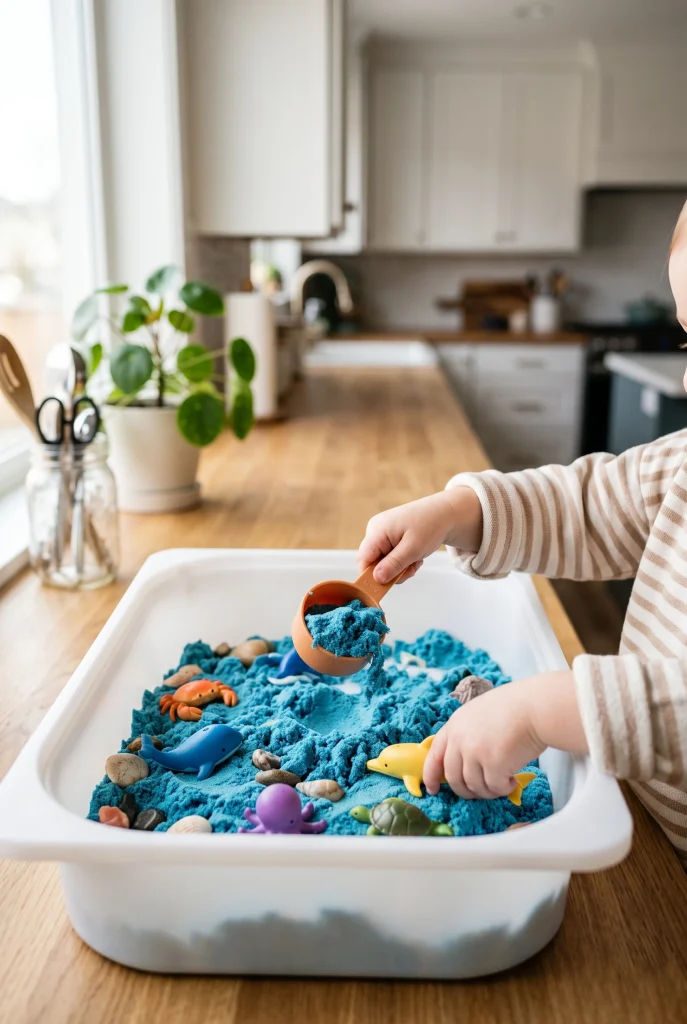
Sensory bins are one of the easiest wins for toddler learning. Fill a plastic bin with rice, dried pasta, or kinetic sand and toss in small toys, scoops, and cups. Your toddler explores textures, practices fine motor skills, and learns cause and effect, all without knowing it’s “educational.”
You can theme your bins by season, colour, or letter of the week. A blue bin with ocean animals teaches colours and animal names simultaneously. It’s two lessons for the price of one scoop.
Why Sensory Play Matters for Little Brains
Toddlers process the world through their senses before they process it through words. Sensory play builds neural connections faster than almost any other activity at this age. Think of it like gym class for the brain, but messier.
It also helps with emotional regulation. Kids who explore through touch tend to be calmer and more focused during the day. That’s a win you’ll feel by naptime.
2. Colour Sorting Games With Everyday Objects
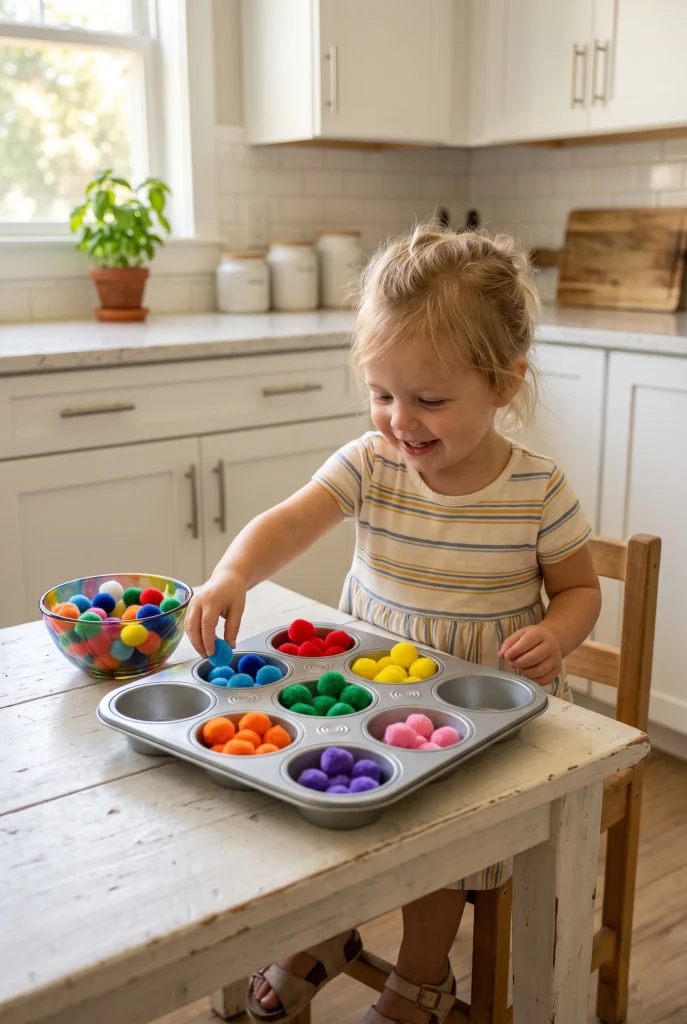
Grab a muffin tin and some colored pom-poms, blocks, or fruit. Ask your toddler to match the colours into the right cups. It sounds simple, but this activity builds colour recognition, concentration, and hand-eye coordination at the same time.
You don’t need to buy anything special for this one. Raid your junk drawer for buttons, crayons, or lids. The more real and familiar the objects, the more engaged your toddler will be with the task.
Turning Sorting Into a Daily Habit
Make sorting part of your daily routine without making it feel like a lesson. Sort laundry by colour together, group fruit by type at snack time, or organize toy bins by shape before bed. Your toddler starts seeing patterns everywhere because you’ve trained that little brain to look for them.
Patterns are the foundation of math. You’re basically doing an early math class in your kitchen—no worksheets required.
3. Alphabet Puzzles and Letter Matching
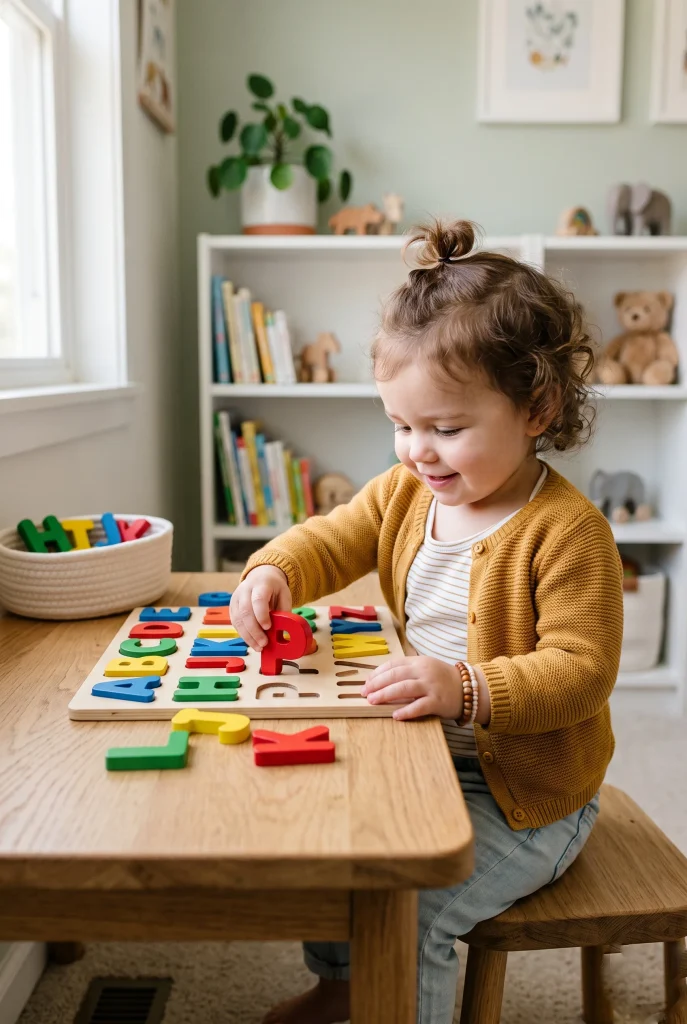
Letter puzzles give toddlers a physical connection to abstract shapes we call letters. When a child picks up the letter “A” and fits it into place, they’re building letter recognition with their hands, not just their eyes. That hands-on connection sticks much longer.
Start with chunky wooden puzzles that have one letter per piece. Once they’ve got the basics, move on to matching uppercase to lowercase versions. It’s a natural progression that doesn’t feel like pressure.
Making Letters Feel Like Friends, Not Lessons
Give each letter a personality or a sound story. “S says sss like a sneaky snake.” When letters have a story, toddlers remember them faster and with more excitement. It becomes a game, not a drill.
Read alphabet books at bedtime and point to letters during errands. The more your toddler sees letters in real life, the faster the puzzle pieces click, literally and mentally.
4. Number Recognition With Counting Games
Count everything out loud with your toddler. Stairs, grapes, and buttons on a shirt. It seems repetitive, but repetition is exactly how toddlers learn. Every counted grape is a math lesson in disguise.
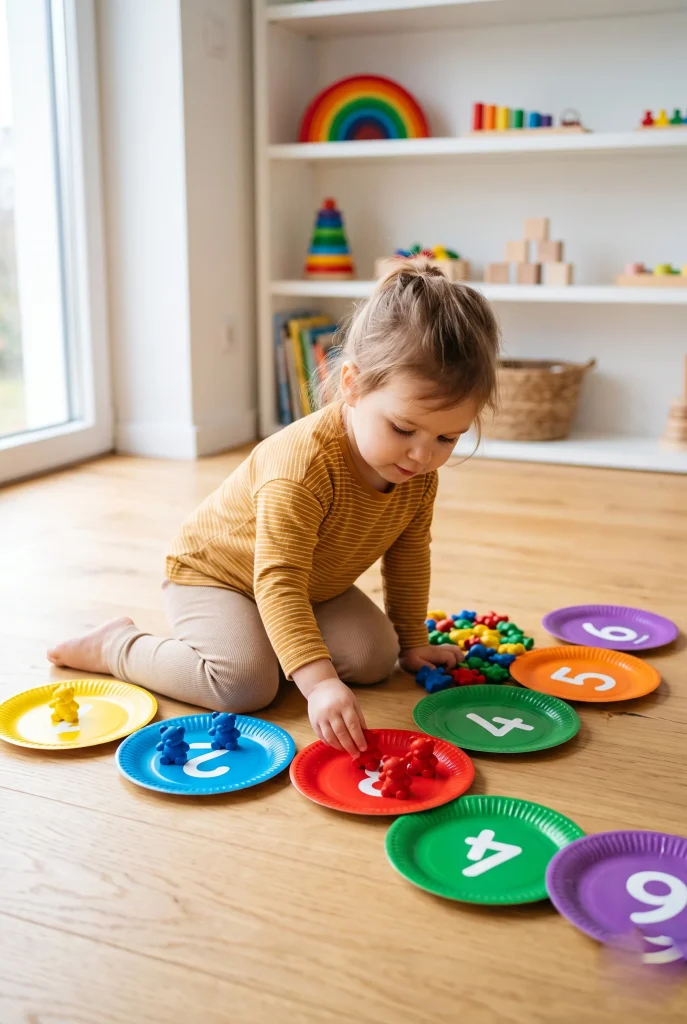
For a more structured activity, write numbers 1 to 10 on paper plates and have your toddler place the matching number of small objects on each plate. Cheerios, rocks, or toy cars all work perfectly. The activity teaches number-to-quantity matching without a single worksheet.
Why Counting Out Loud Works Better Than Flashcards
Verbal counting builds what’s called “number sense,” the understanding that numbers have real meaning. Flashcards show a symbol. Counting real objects shows meaning. There’s a big difference between knowing the word “three” and understanding that three means exactly three things.
By age three, most toddlers can count to ten with understanding if counting is woven into daily life. You’re already doing daily life. Just add numbers to it.
5. DIY Playdough for Creative and Sensory Learning
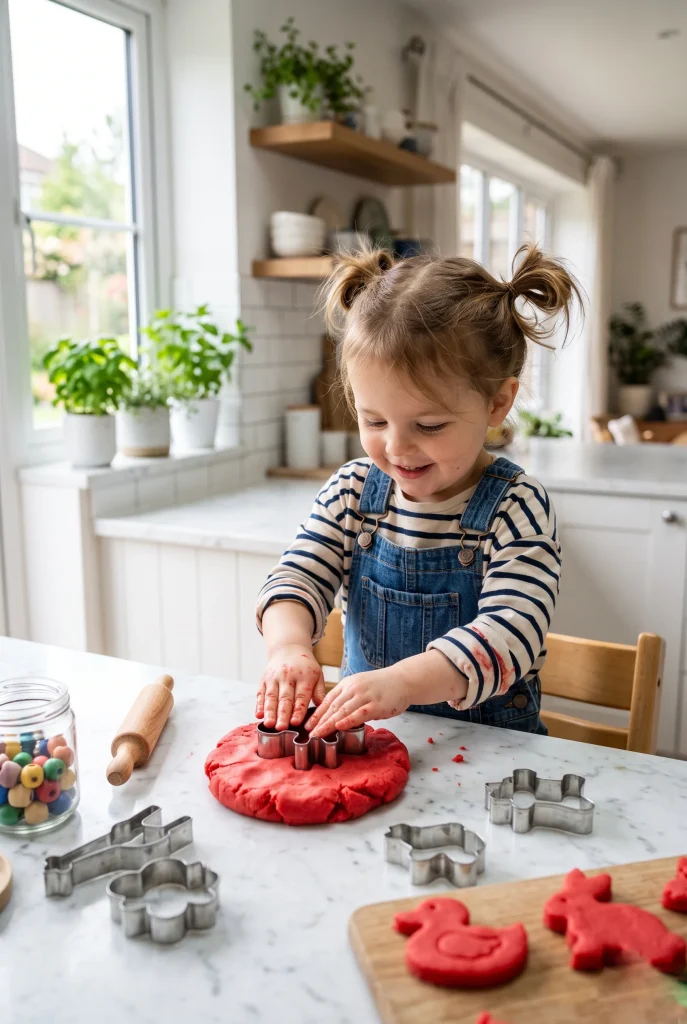
Homemade playdough is one of the best multi-skill activities you can give a toddler. Rolling, squeezing, and shaping build hand strength that directly supports writing later on. And the best part? You can make a batch in under 10 minutes with flour, salt, water, and food colouring.
Let your toddler help make it too. Measuring ingredients introduces early math concepts, and mixing teaches cause and effect. Two activities in one batch of dough.
What Playdough Actually Teaches
Beyond sensory input, playdough builds imaginative thinking. When a toddler rolls a “snake” or makes a “pizza,” they’re practising symbolic thinking, the same skill that supports language and story comprehension later. It’s basically a creativity workout.
Add small tools such as plastic knives, rolling pins, or letter stamps to enhance the educational value. Each tool adds a new skill layer without adding any stress for your toddler.
6. Simple Puzzles That Build Problem-Solving Skills
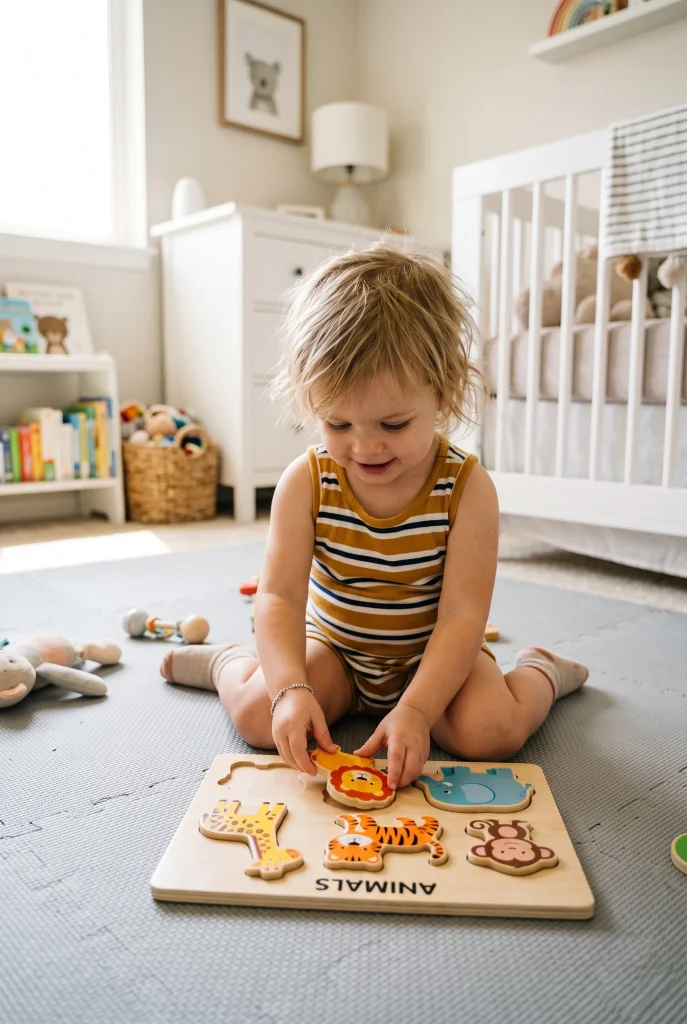
Puzzles teach toddlers how to look at a problem from different angles, literally. When a piece doesn’t fit, they have to rotate it, try again, and think differently. That process builds patience and critical thinking at the same time.
Start with 4 to 6-piece puzzles and work up slowly. Rushing to harder puzzles too fast kills motivation. The goal is to finish feeling like a winner, not feeling stuck.
Puzzles as a Confidence Builder
Every completed puzzle is a confidence boost. Toddlers who finish tasks independently start to believe they can figure things out on their own. That belief carries forward into every new challenge they face.
Sit nearby but resist the urge to jump in too fast. Let them struggle a little. That productive struggle is where real learning actually lives.
7. Storytime With Interactive Questions
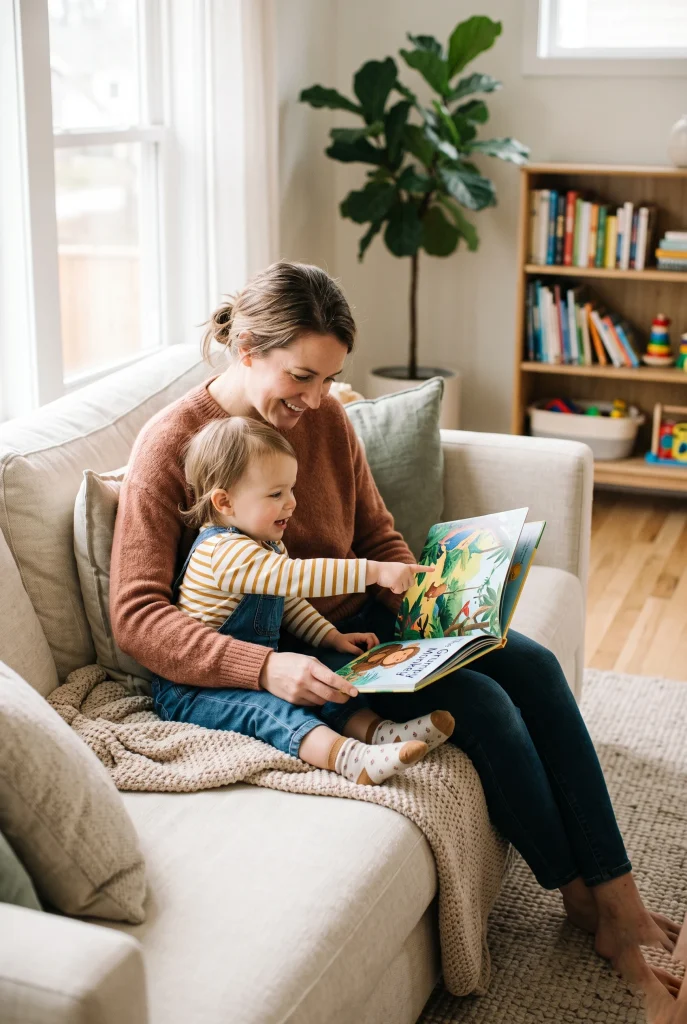
Reading to your toddler is one of the most powerful things you can do for their brain. But interactive reading, where you stop and ask questions, doubles the benefit. Ask things like “What do you think happens next?” or “Can you find the red ball on this page?”
This turns passive listening into active thinking. Your toddler starts connecting images to words, making predictions, and building comprehension skills that directly feed into reading readiness. It’s the same thing good teachers do in kindergarten, just at home on your couch.
Choosing the Right Books for Toddlers
Look for books with bold images, repetitive text, and interactive elements like flaps or textures. Repetition isn’t boring to toddlers; it’s comforting and helps with memory. When your toddler can “read” the book back to you from memory, that’s a real milestone.
Visit your local library weekly if you can. Fresh books keep storytime exciting, and variety exposes toddlers to new vocabulary without any effort on your part.
8. Music and Movement for Brain and Body
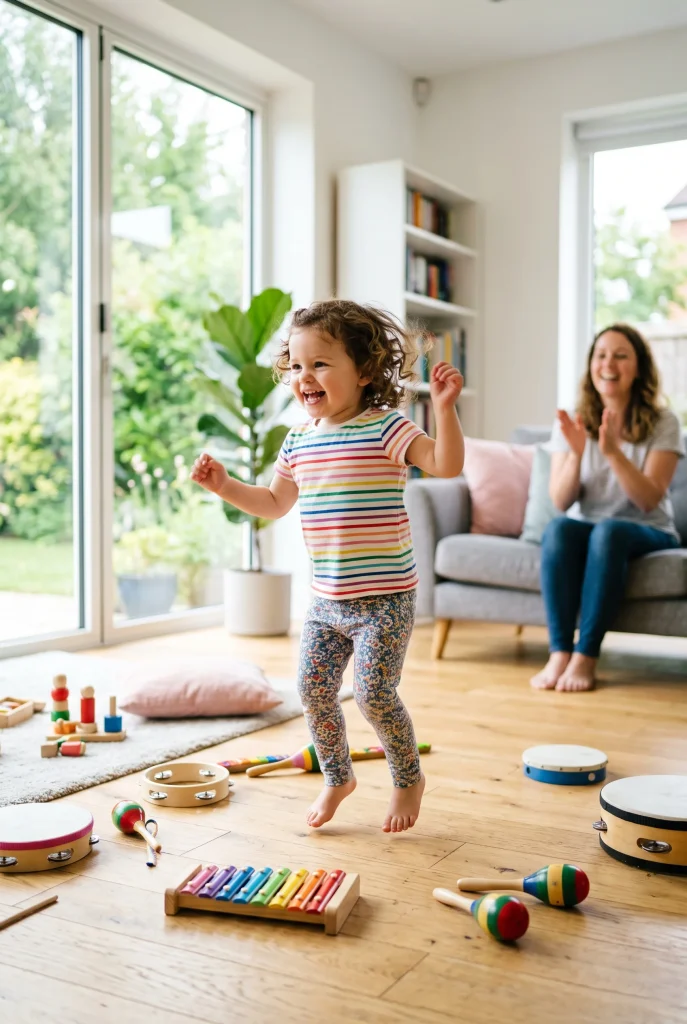
Put on a song and move with your toddler—dance, clap, stomp, and spin. Music activates multiple areas of the brain at once, which makes it one of the most efficient learning tools available to you. And toddlers are naturally wired for rhythm.
Songs with actions, like “Head, Shoulders, Knees and Toes,” teach body awareness and vocabulary simultaneously. It also burns energy, which makes the rest of the day easier to manage.
How Music Wires Toddler Brains for Language
Music and language share the same processing pathways in the brain. When toddlers learn song lyrics, they’re also learning rhyme, rhythm, and sentence structure. It’s a language class wrapped in a dance party.
Singing made-up songs about everyday tasks works just as well as formal children’s music. Narrate bath time or snack time in a silly voice. Your toddler learns vocabulary from your voice more than any app.
9. Art Projects That Build Fine Motor Skills
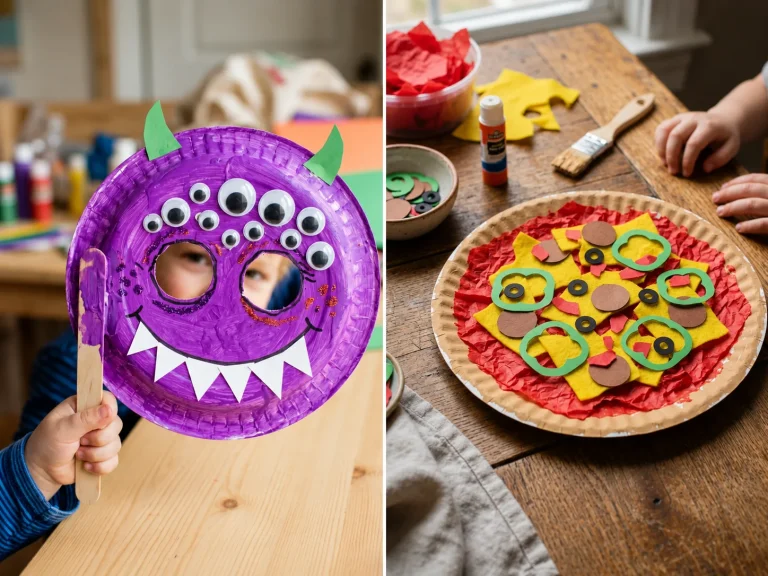
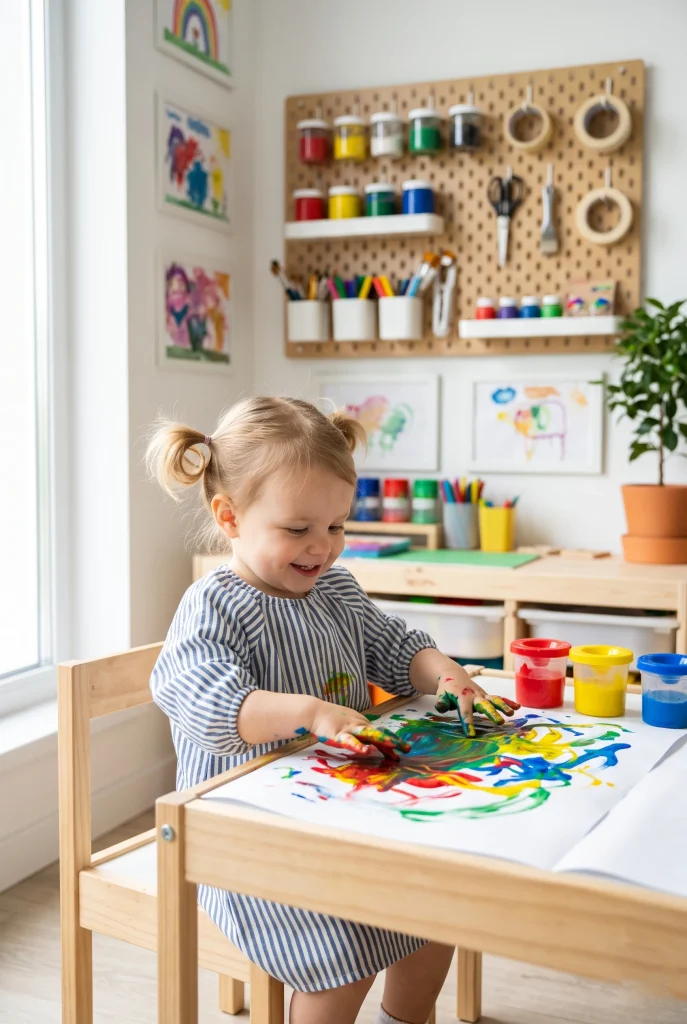
Simple art activities, like finger painting, tearing paper, or using chunky crayons, build the hand muscles toddlers need for writing. You don’t need a formal art lesson. A piece of paper and some washable paint do the job perfectly well.
Focus on the process, not the product. It doesn’t matter if the painting looks like a blob. What matters is that little fingers are gripping, pressing, and controlling tools. That’s the whole point of the activity.
Making Art a Regular Part of the Week
Set up a small art station with easy-access supplies so your toddler can create independently. Low shelves with paper, crayons, and stickers at their height give them ownership over the activity. When kids choose to create on their own, the learning goes even deeper.
Rotate materials weekly to keep things fresh. Swap crayons for watercolours, or add stampers and sponges. New tools spark new curiosity every single time.
10. Building Blocks and STEM Thinking
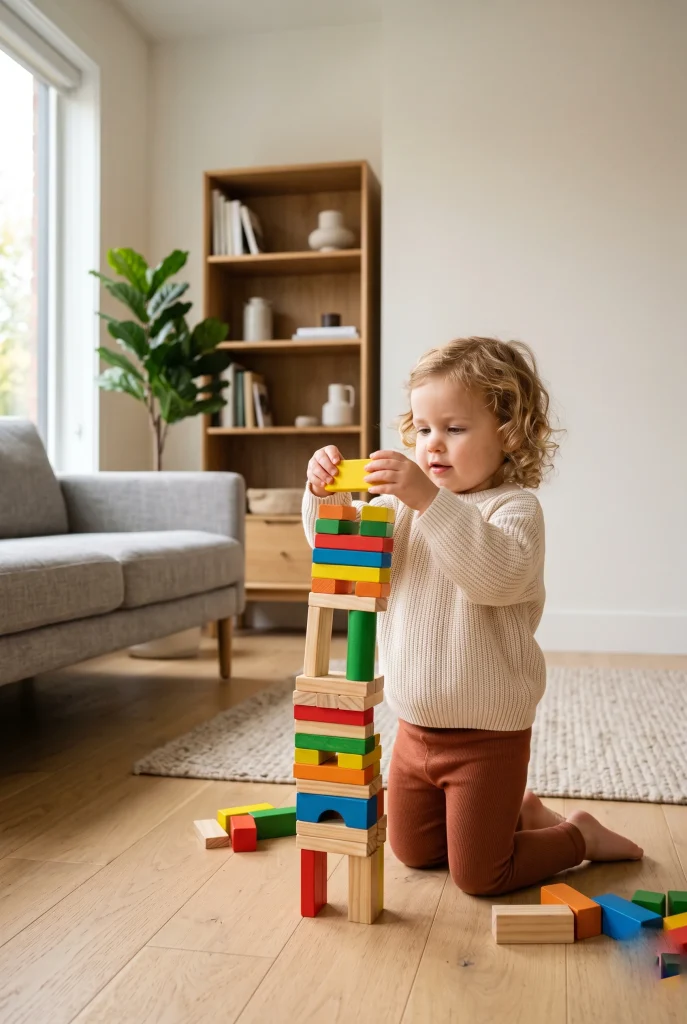
Blocks are one of the oldest toddler toys for good reason. They teach spatial reasoning, basic physics, and early engineering thinking before your child can even say “gravity.” When a tower falls, your toddler learns something real about how the world works.
Open-ended block play also builds creativity. There’s no right or wrong way to stack blocks, which removes the fear of failure from the learning process. That mindset matters far beyond the playroom.
Introducing Simple STEM Ideas Through Play
Ask questions while your toddler builds. “What happens if you put the big block on top?” or “How can you make it taller without it falling?” These questions introduce scientific thinking without any pressure. You’re basically guiding a mini experiment.
Don’t underestimate this play. Engineers and architects often point back to childhood block play as the foundation for how they think about structure and space today.
11. Nature Walks and Outdoor Exploration
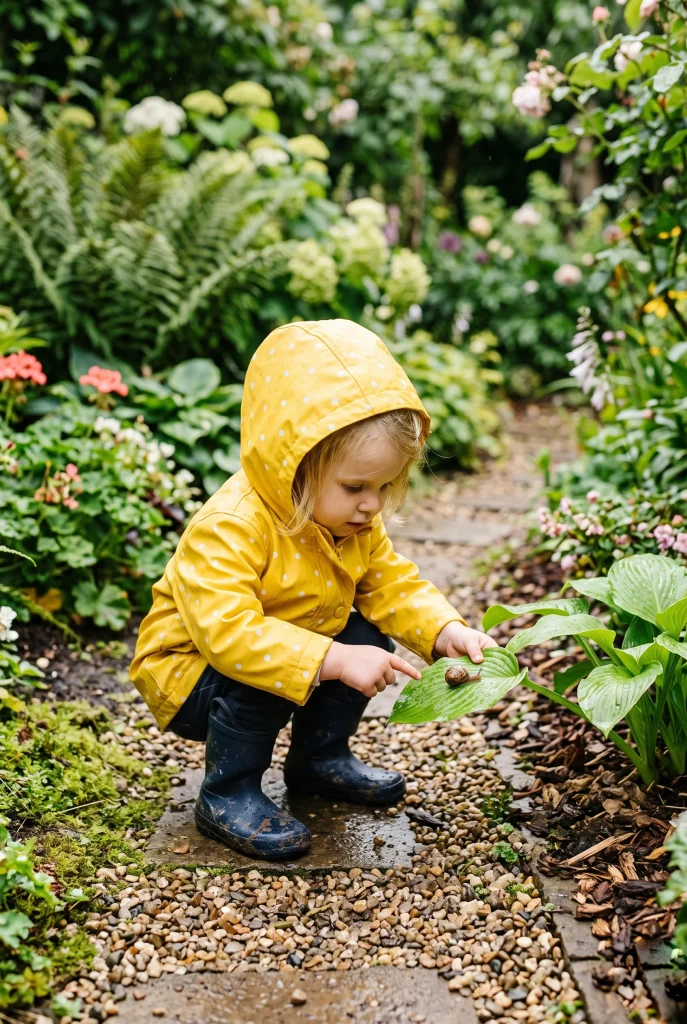
Take your toddler outside and let them lead. Pick up a stick, examine a bug, splash in a puddle. Outdoor exploration builds observation skills, curiosity, and an understanding of the natural world that indoor activities can’t replicate.
Bring a small bag and collect rocks, leaves, or flowers. Back home, sort them by size, colour, or type. You’ve just turned a walk into a science and math lesson with zero planning required.
Why Nature Is the Best Classroom
Nature changes with every season, so your outdoor classroom is always offering something new. Fall leaves, spring flowers, summer bugs, and winter puddles all teach different concepts without repeating the same lesson twice.
Point out colours, textures, and patterns on every walk. Ask your toddler to find something soft, something rough, something yellow. It’s a sensory scavenger hunt that sharpens observation skills with every outing.
12. Water Play for Science and Sensory Skills
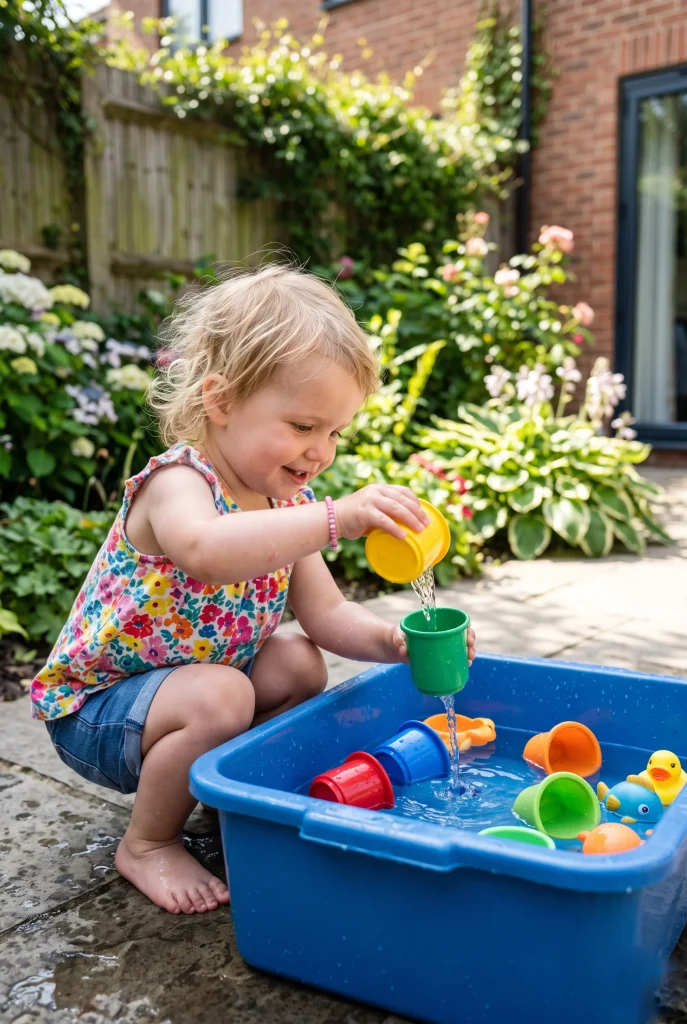
Fill a bin with water and give your toddler cups, funnels, and small containers. Let them pour, splash, and experiment freely. Water play teaches volume, measurement, and cause-and-effect in the most hands-on way possible.
Add food colouring and let your toddler mix colours. When blue and yellow make green, that’s a science lesson happening in real time. Their eyes go wide every single time.
Setting Up Water Play Without the Mess Stress
Take water play outside, or place the bin in the bathtub to contain the splash zone. Keep a stack of towels nearby and dress your toddler in clothes you don’t mind getting wet. Once you stop worrying about the mess, you’ll offer this activity far more often.
The learning that happens in 20 minutes of water play is worth the five minutes of cleanup. It’s one of the highest-value activities in your toddler toolkit.
13. Pretend Play and Imagination Building
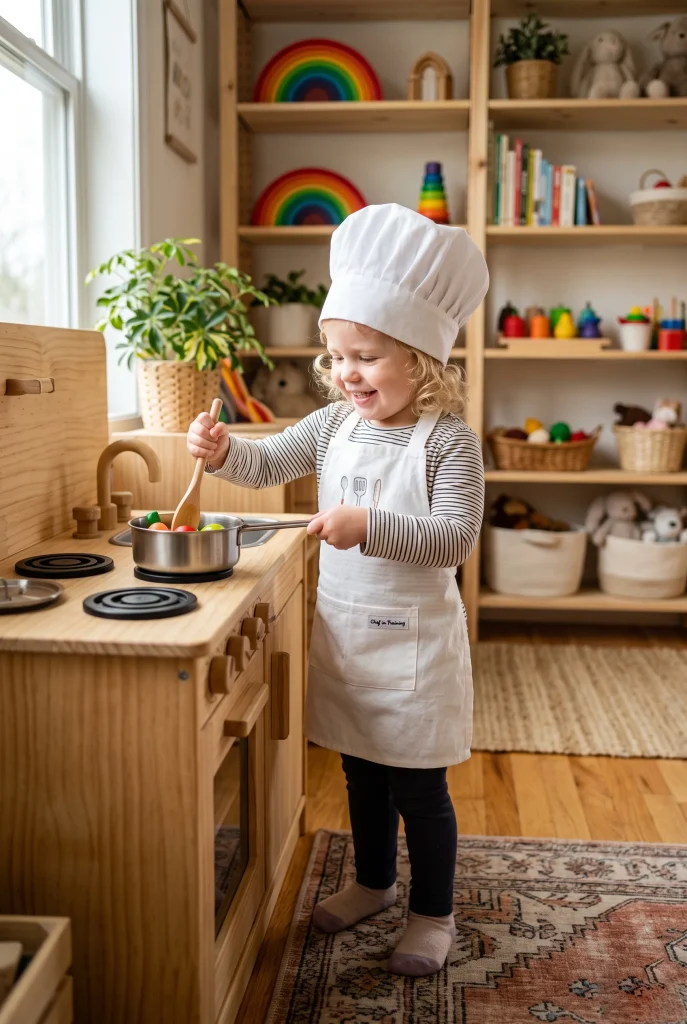
Pretend play is serious business for toddlers. When your child pretends to cook in a toy kitchen, care for a baby doll, or run a “store,” they’re practising social roles, language, and problem-solving all at once. It looks like silliness. It’s actually deep cognitive work.
Join in the play and follow your toddler’s lead. Let them be in charge of the story. This builds confidence, creativity, and communication skills in ways that structured activities can’t always reach.
How Pretend Play Builds Real-Life Skills
Kids who engage in regular pretend play develop stronger language skills, better emotional intelligence, and more flexible thinking. They practice conversations before they have them in real life. It’s a rehearsal for the social world they’re about to enter.
Rotate props to spark fresh stories. A cardboard box becomes a spaceship one day and a kitchen the next. The simpler the prop, the more imagination your toddler has to apply to it.
14. Shape Recognition With Everyday Objects
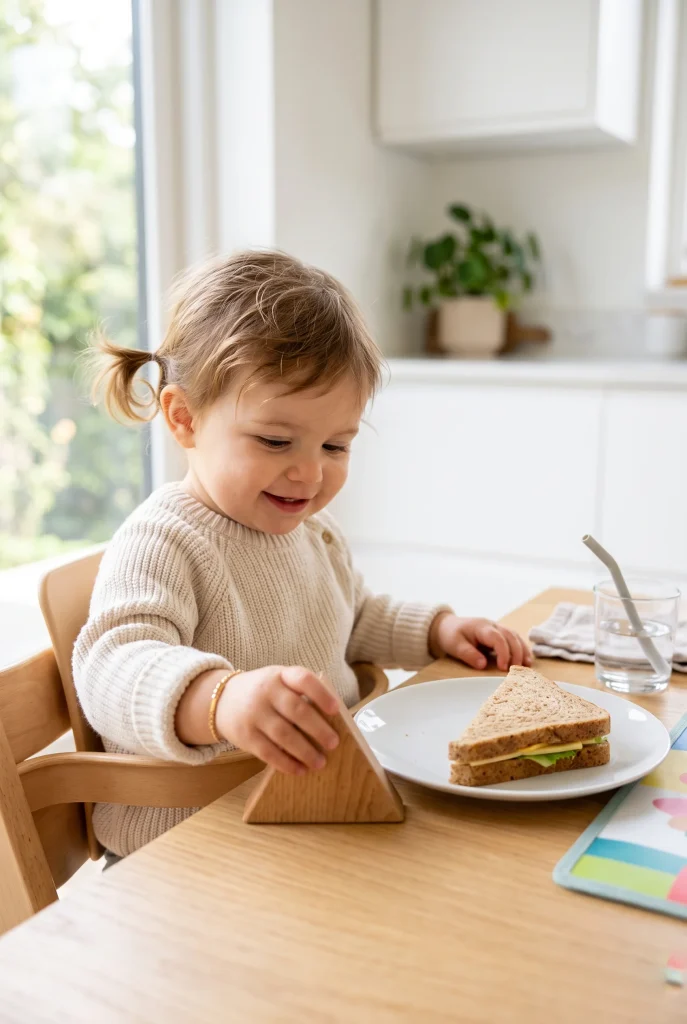
You don’t need a shape toy to teach shapes. Point them out everywhere you go. The clock is a circle. The window is a rectangle. The sandwich is a triangle if you cut it right. Toddlers who hear shape names in context learn them faster than toddlers who only see them on posters.
For a hands-on activity, use shape sorters or cut simple shapes from cardboard and ask your toddler to match them to objects around the house. It turns your home into a shape-hunting game from the living room to the bathroom.
Shape Knowledge as a Math Foundation
Shapes are the first step into geometry, which is a core part of math. Kids who can identify and describe shapes early have a stronger start in school math than kids who haven’t had that exposure. It’s a small habit with a big payoff.
Draw shapes in the air, trace them in sand, or cut them from playdough. Each method uses a different sense and reinforces the same concept from a new direction. That kind of multi-sensory learning locks information in place.
Conclusion
Toddler learning activities don’t need to be expensive, complicated, or time-consuming to work. The best ones are woven into everyday life: a walk outside, a bin of water, a stack of blocks, a good book read together. When play feels natural and fun, toddlers absorb more than you’d ever expect. Pick two or three ideas from this list and try them this week. You’ll see the difference in how your toddler engages, explores, and grows, one playful moment at a time.